
August 8, 2026 at 12:37 AM 2 min readindiadeveloping
Centre Opposes SC/ST Creamy Layer While Rejecting US FCRA Criticism
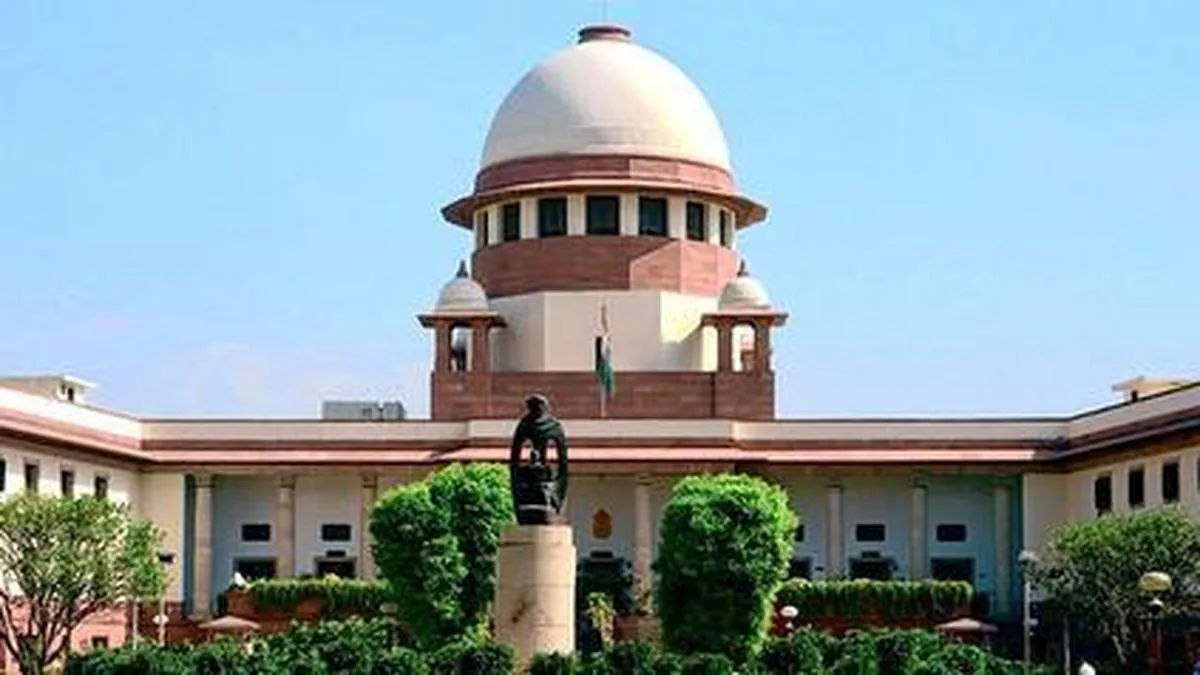
Government Legal Defense:
The Union government has formally opposed a public interest litigation in the Supreme Court that sought an income-based creamy layer for Scheduled Castes and Scheduled Tribes. In its official affidavit, the Centre maintained that reservations are rooted in historical social backwardness rather than economic status alone. Meanwhile, the Ministry of External Affairs has officially dismissed concerns raised by United States lawmakers regarding the Foreign Contribution Regulation Act Amendment Bill 2026, describing the legislative move as an internal matter.
Parliamentary Deadlock and Debates:
A formal debate on the FCRA Bill has been scheduled for August 12 in Parliament following a high-level meeting between Home Minister Amit Shah and Mizoram Chief Minister Lalduhoma. Union Minister Kiren Rijiju defended Amit Shah against opposition demands regarding his presence during ongoing House debates, while continuing disruptions have stalled other key legislation like the MSME Bill 2026. Despite tightening regulations over the years, official data indicates that overall volumes of foreign funding into India have actually increased.
Governance and International Impact:
The government insists that the proposed FCRA changes are necessary to enhance financial transparency and protect national security without stifling legitimate non-profit work. At the same time, the Centre maintains that any decision to alter core reservation criteria should rest solely with Parliament rather than the judiciary. These concurrent developments highlight New Delhi's firm resistance to external commentary on its legal frameworks alongside its strict protection of established social welfare structures.
Pulse Intelligence
Context & ImpactContext & Background
- The 'creamy layer' concept was first introduced for Other Backward Classes following the 1992 Indra Sawhney judgment by the Supreme Court.
- The Foreign Contribution Regulation Act was originally enacted in 1976 and has undergone several stringent amendments to monitor foreign donations.
- Recent parliamentary sessions in 2026 have faced frequent disruptions over issues ranging from exam irregularities to border security.
Key Consequences
- The scheduled debate on August 12 will likely see strong pushback from Opposition members concerned about the bill's impact on grassroots NGOs.
- International non-profits may face higher administrative costs and retrospective scrutiny under the updated transparency and reporting standards.
- The Centre's robust legal stance will prevent any immediate changes to the SC/ST reservation status quo ahead of major regional elections.
Market & Economic Impact
No direct market impact, though prolonged legislative deadlocks can delay sector-specific economic bills like the MSME Act.
The Indus Pulse is committed to accuracy and transparency.