
India Desk July 19, 2026 at 04:30 PM 2 min readindiadeveloping
India Pushes Electric Cooking and Mobility for Clean Energy Shift
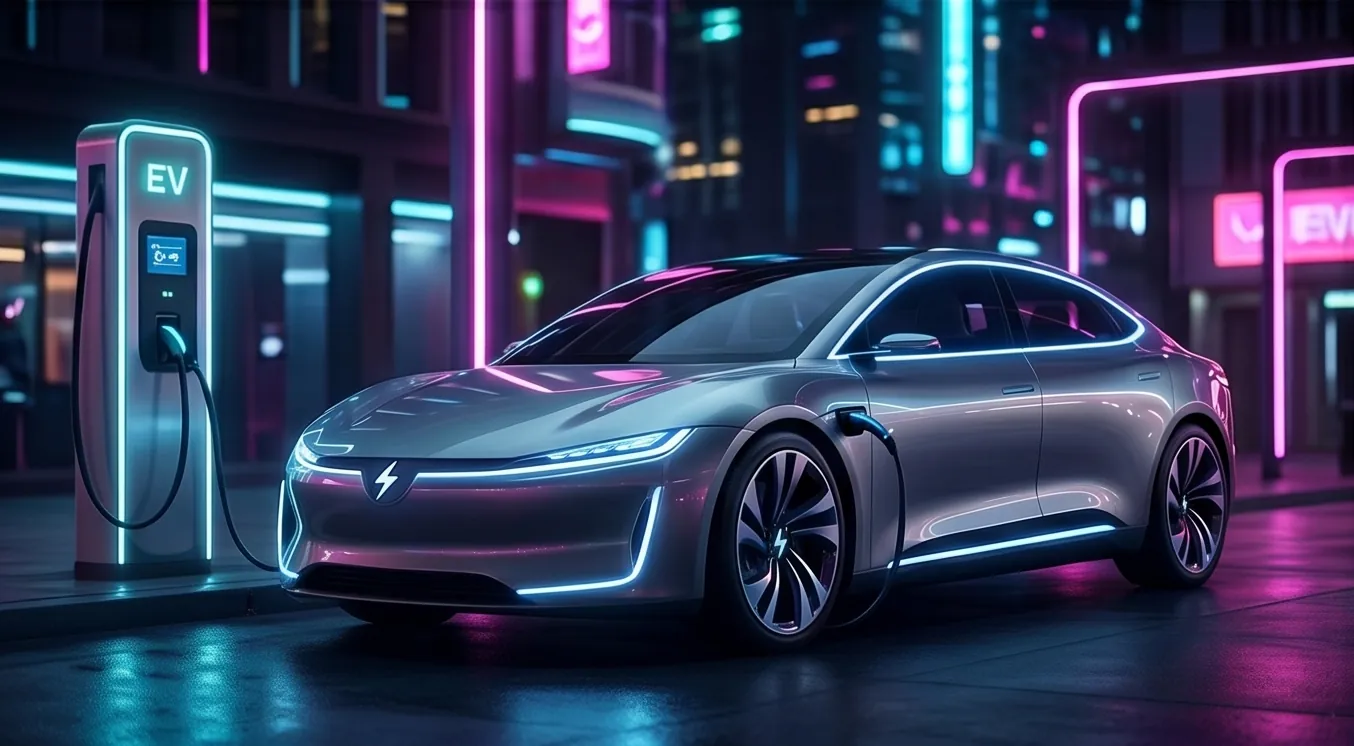
Clean Energy Transition:
The Union government has urged all Indian states to accelerate the adoption of electric cooking and electric mobility to drive the national clean energy transition. This directive was issued during the National Workshop on Renewable Consumption Obligation in Hyderabad, where officials emphasized the environmental and economic necessity of shifting away from traditional fossil fuels. The government aims to integrate modern energy solutions into household practices, fostering a sustainable shift across India's energy landscape.
Strategic Energy Goals:
As of June 30, 2026, India has successfully established an installed electricity capacity of 297.37 GW from non-fossil fuel sources. This progress accounts for nearly 59.5% of the country’s ambitious 500 GW target for 2030. Officials highlighted that electric cooking provides higher efficiency and affordability compared to traditional Liquefied Petroleum Gas and Piped Natural Gas. The recent surge in demand for induction cooktops and electric pressure cookers reflects growing public confidence in these energy-efficient technologies.
Future Infrastructure Development:
The National Efficient Cooking Programme remains a central pillar of this transition, planning to deploy millions of induction appliances nationwide. Government schemes like PM–Surya Ghar are critical in expanding access to rooftop solar, allowing households to link their own power generation directly with cooking needs. The policy push is expected to stabilize energy demand while reducing carbon footprints, as the government continues to refine the regulatory framework for renewable energy consumption obligations across all states.
Pulse Intelligence
Context & ImpactContext & Background
- India has set a target of reaching 500 GW of non-fossil fuel electricity capacity by 2030.
- The National Efficient Cooking Programme was launched to replace traditional cooking fuels with electric induction cooktops to improve energy efficiency.
Key Consequences
- Increased consumer demand for induction cooktops and electric pressure cookers is expected across urban households.
- States will likely see expedited rollouts of rooftop solar infrastructure to support the energy requirements of electric cooking devices.
Market & Economic Impact
No direct market impact.