
Markets Desk July 21, 2026 at 10:59 PM 2 min readmarketsdeveloping
India Pulls Back From Iraqi Oil Amid Red Sea Shipping Risks
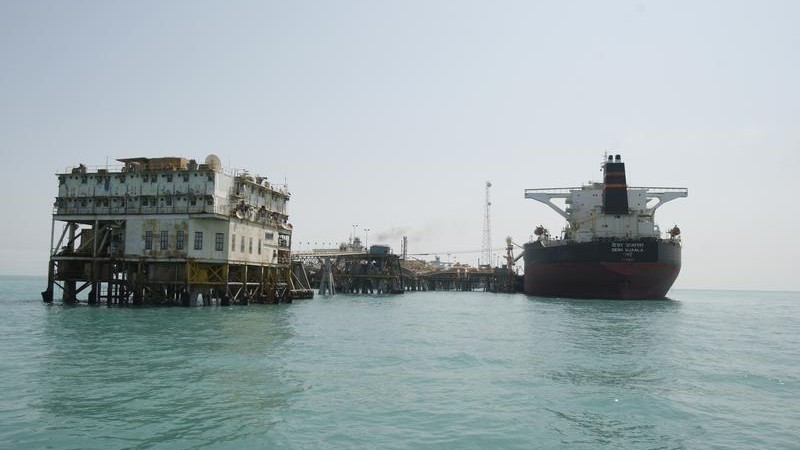
Strategic Energy Shift:
Indian state-run refiners, including Indian Oil Corporation and Mangalore Refinery and Petrochemicals Ltd, have canceled plans to lift Iraqi crude oil. This tactical withdrawal follows heightened security threats within the Strait of Hormuz, where attacks on vessels have created a dangerous operating environment. India has issued formal advisories urging shipowners and seafarers to avoid the region, as regional volatility threatens the security of crucial energy import routes.
Market Turmoil:
Global oil prices are exhibiting extreme sensitivity to the escalating situation, with Brent crude fluctuating between $89 and $91 a barrel. The market is increasingly jittery due to the 10th consecutive night of U.S. strikes on Iranian assets and the emergent threat of a Houthi-led blockade targeting Saudi maritime traffic in the Red Sea. With record exports previously exiting Saudi terminals, the sudden emergence of Houthi militant threats has forced tankers to reverse course, creating logistical bottlenecks for global energy supplies.
Economic Implications:
The rising geopolitical risk premium is driving a strengthening U.S. dollar, which has advanced for four consecutive sessions as investors seek safety amid inflationary concerns. Goldman Sachs analysts project that Brent crude could exceed $120 a barrel if regional maritime disruptions persist throughout 2027. The primary challenge for India remains the stabilization of its energy import pipeline while facing surging freight costs and insurance premiums. Future market trajectory will depend on whether shipping lanes in the Bab el-Mandeb Strait remain viable under the protection of the Saudi-led coalition.
Pulse Intelligence
Context & ImpactContext & Background
- Saudi Arabia recently reached record crude export volumes from its Red Sea terminals at Yanbu before the emergence of new militant threats.
- The Strait of Hormuz has seen its lowest shipping traffic levels in two months due to sustained military strikes and retaliatory attacks.
Key Consequences
- Rising oil prices are likely to increase the import bill for India, placing further pressure on the rupee and domestic inflation rates.
- Refiners will face higher logistical costs as they seek alternative sources of crude that do not transit the dangerous Strait of Hormuz or Red Sea routes.
- Global shipping insurance premiums are expected to climb, potentially leading to further supply chain disruptions beyond the energy sector.
Market & Economic Impact
Rising Brent crude prices are driving significant volatility in Indian oil marketing company stocks and the rupee.