
August 15, 2026 at 10:17 AM 2 min readhealthDaily Pulse
India Maintains Strict Public Health Vigil After Nipah Virus Detections
Health departments enforce rigorous contact tracing and isolation protocols following recent laboratory-confirmed cases.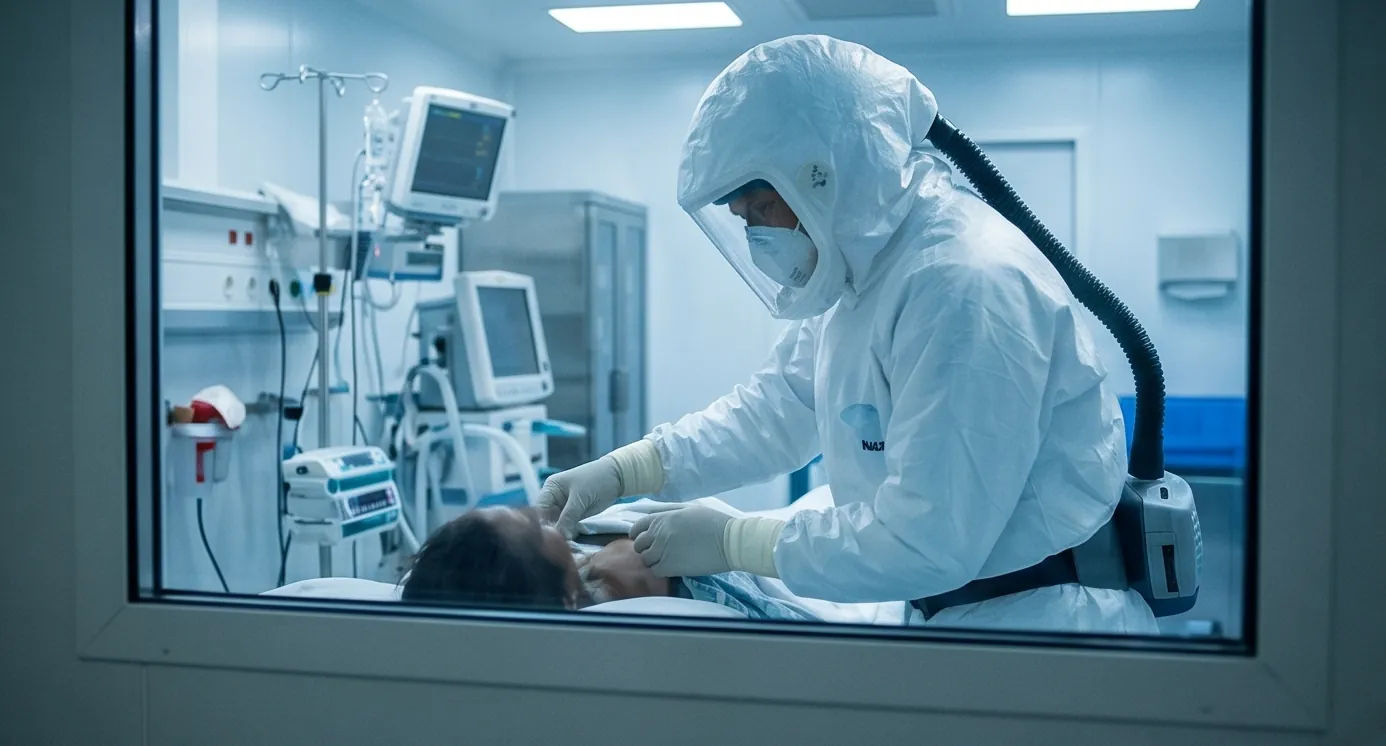
[Recent Virus Detections]:
Public health agencies across India are maintaining rigorous containment protocols following confirmed Nipah virus detections earlier in the year. The Kerala State Health Department previously confirmed a laboratory-positive Nipah case in the Kozhikode district, following an earlier incident in February 2026 involving two healthcare workers that necessitated quarantining nearly 200 secondary contacts to prevent community spread.
[Clinical and Epidemiological Challenges]:
Causing severe acute respiratory illness and fatal encephalitis, the Nipah virus remains a critical pathogen of concern due to its high case fatality rate and zoonotic transmission pathways via fruit bats. Epidemiologists emphasize that early contact tracing, rigorous isolation of suspected carriers, and personal protective equipment compliance among frontline medical staff are vital to suppressing transmission.
[Preventative Measures]:
State and national health bodies continue to enforce strict surveillance frameworks around known natural reservoirs and agricultural fruit-harvesting zones. Hospitals have established dedicated isolation wards to handle potential acute encephalitis syndrome cases, ensuring rapid isolation and diagnostic verification through ICMR-approved laboratories.
Pulse Intelligence
Context & ImpactContext & Background
- Nipah virus infections were detected among two healthcare workers in India during February 2026.
- The Kerala State Health Department confirmed an additional laboratory-positive case in Kozhikode district.
- Past outbreaks in southern India established robust contact-tracing and quarantine response playbooks.
Key Consequences
- Hospitals in endemic zones will maintain strict personal protective equipment protocols for nursing staff.
- State health departments will continue surveillance on raw fruit consumption and bat roosting habitats.
- Diagnostic laboratories will retain high testing readiness for acute encephalitis syndrome presentations.
Market & Economic Impact
Not applicable.
The Indus Pulse is committed to accuracy and transparency.