
August 9, 2026 at 07:35 AM 2 min readindiaanalysis
India Joins France-Led FCAS Sixth-Generation Fighter Project
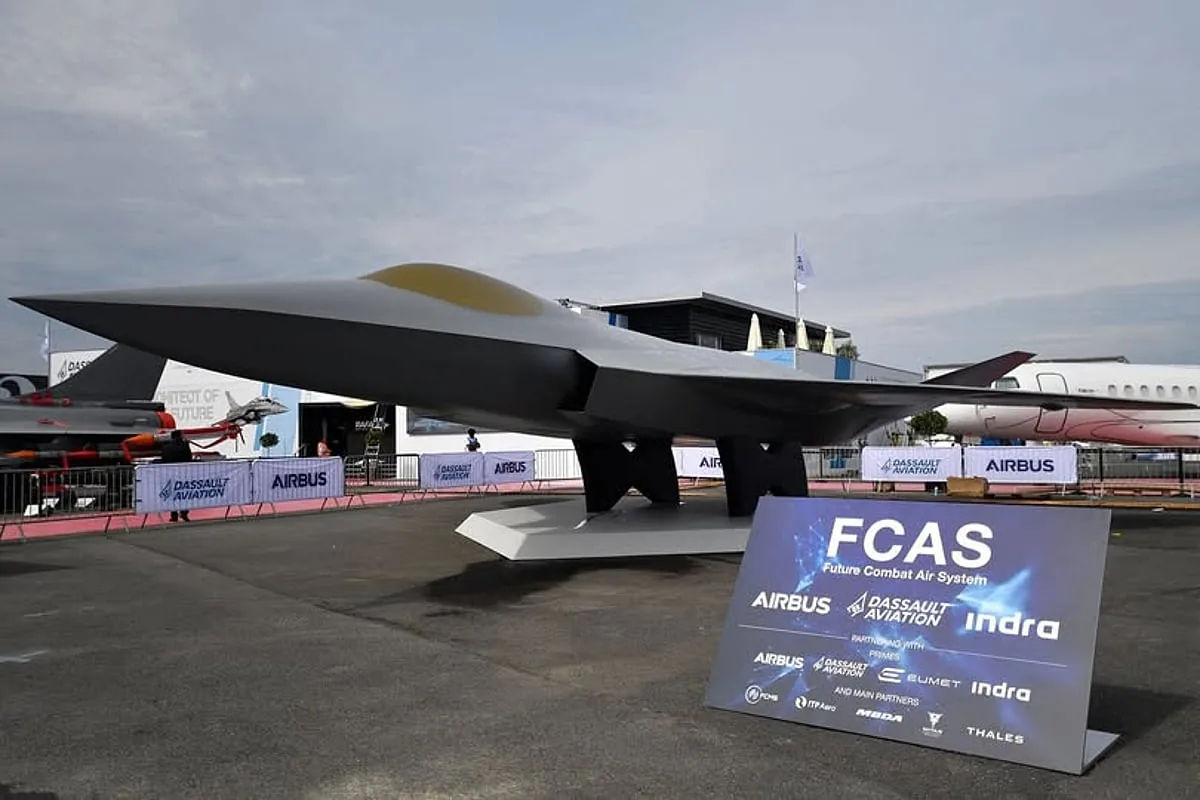
Strategic Defense Pivot:
India has officially initiated efforts to join the France-led Future Combat Air System (FCAS), marking its entry into the global race for sixth-generation fighter technology. This move follows a period of evaluation regarding multiple international projects, as India seeks to modernize its aging air fleet with advanced stealth and AI capabilities. A parliamentary panel recently sought a clear roadmap for India's participation, emphasizing the need for a long-term technological partnership with France. By opting for the FCAS, India aims to secure a seat at the table in developing the next frontier of aerial warfare, which includes unmanned wingmen and integrated combat clouds.
Rationale Behind Selection:
The decision to lean toward the French project comes after Germany's reported exit from specific collaborative stages, creating an opening for a major strategic partner like India. India’s long-standing relationship with Dassault Aviation, the manufacturer of the Rafale, provided a foundation of trust and industrial familiarity. Furthermore, delays in indigenous projects and the prohibitive costs of developing such technology solo have necessitated a collaborative approach. While other projects like the UK-led Global Combat Air Programme (GCAP) were available, the Indo-French defense corridor was deemed more strategically aligned with India's 'Atmanirbhar Bharat' (Self-Reliant India) goals for technology transfer.
Implications for Air Power:
Joining the FCAS project will likely define the Indian Air Force's (IAF) combat capability for the next three to four decades. It ensures that India will not be left behind as global powers like the US and China operationalize sixth-generation platforms. For the Indian domestic aerospace industry, this partnership offers an opportunity for deep technical co-development rather than just off-the-shelf procurement. The move also strengthens the bilateral 'Horizon 2047' roadmap between New Delhi and Paris. Immediate next steps will involve high-level diplomatic and technical negotiations to finalize India's share in work packages and intellectual property rights.
Pulse Intelligence
Context & ImpactContext & Background
- India currently operates a mix of 4th and 4.5-generation aircraft, including the Rafale, Su-30MKI, and the indigenous Tejas.
- The FCAS project was originally a tri-national effort involving France, Germany, and Spain to replace the Rafale and Eurofighter Typhoon.
Key Consequences
- India may sign a multi-billion dollar foundational agreement with France to fund a portion of the FCAS research and development phase.
- The focus of India's indigenous Advanced Medium Combat Aircraft (AMCA) may shift toward integrating technologies developed via the FCAS partnership.
Market & Economic Impact
Potential long-term boost for Indian defense stocks like HAL and Bharat Electronics as they become part of the global supply chain for sixth-gen components.
The Indus Pulse is committed to accuracy and transparency.