
31 Aug 2026, 06:12 PM 3 min readindiadeveloping
India and Japan Accelerate Strategic Trade and Industrial Partnership
## The Expanding Bilateral Framework
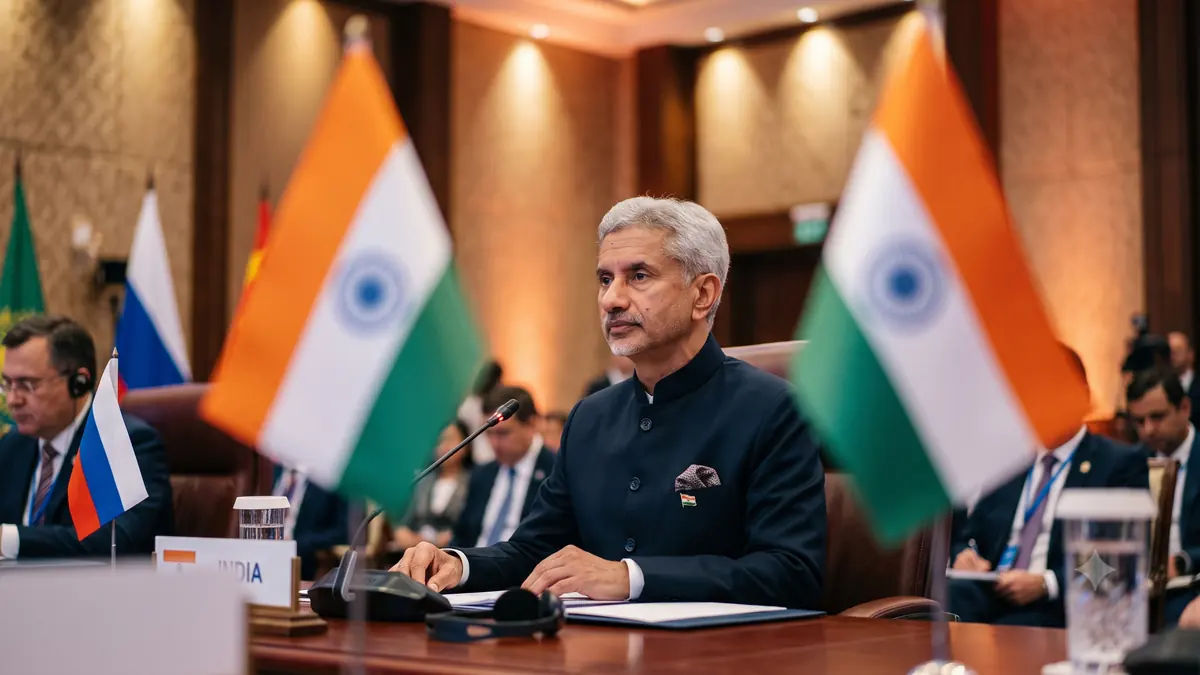
Bilateral relations between New Delhi and Tokyo have evolved from traditional economic assistance into a mature, security-driven industrial alliance. Economic diplomacy between the two nations is increasingly defined by shared anxieties regarding Indo-Pacific maritime security, supply chain vulnerabilities, and the imperative to reduce dependency on single-source manufacturing ecosystems. Recent high-level ministerial consultations have sought to operationalize long-standing infrastructure commitments, translating geopolitical convergence into tangible commercial agreements.
Japanese foreign direct investment into India continues to target capital-intensive sectors, notably automotive manufacturing, high-speed rail development, and electronics assembly. The Tokyo Metropolitan Government and the Japan Bank for International Cooperation have actively incentivized Japanese firms to diversify their manufacturing footprints southward. This industrial realignment aligns directly with New Delhi's domestic production incentives, particularly the Production-Linked Incentive schemes designed to establish globally competitive manufacturing clusters across the subcontinent.
## Financial Architecture and Currency Swaps
Financial integration remains a cornerstone of the bilateral partnership, moving well beyond conventional bilateral trade flows. The bilateral currency swap arrangement, valued at upwards of 7.5 billion USD, provides a crucial buffer against external macroeconomic shocks, stabilizing the rupee-yen exchange rate and facilitating smoother cross-border settlements. Commercial banks from both nations are expanding their syndicated lending portfolios to support infrastructure projects, renewable energy integration, and industrial parks.
Public-private partnerships have assumed a central role in financing massive connectivity initiatives. The Mumbai-Ahmedabad High-Speed Rail project serves as the physical manifestation of this financial engineering, utilizing Japanese Shinkansen technology backed by low-cost official development assistance loans. Despite bureaucratic delays and land acquisition hurdles in western India, the project has established a benchmark for complex cross-border engineering execution, setting a precedent for future transport corridors.
## Supply Chain Resilience and Critical Minerals
Global supply chain disruptions have forced both capitals to reevaluate their industrial dependencies. The Supply Chain Resilience Initiative, launched jointly by India, Japan, and Australia, aims to mitigate vulnerabilities by promoting diversification, digital transformation, and joint risk management. For New Delhi, securing access to Japanese advanced manufacturing machinery, precision electronics components, and semiconductor design expertise is vital for climbing up the global value chain.
Simultaneously, bilateral cooperation on critical minerals extraction and processing has gained urgency. Tokyo views India as a stable partner for securing rare earth elements essential for electric vehicle motors and wind turbine manufacturing. Geological surveys and mining joint ventures are currently being negotiated to establish alternative supply chains independent of dominant regional monopolies. This collaboration extends into clean energy technologies, where Japanese hydrogen fuel cell developers and Indian energy conglomerates are establishing joint research consortia.
## Geopolitical Imperatives in the Indo-Pacific
Economic cooperation cannot be separated from the broader geopolitical architecture of the Indo-Pacific. The Quadrilateral Security Dialogue provides the strategic umbrella under which economic resilience and maritime security initiatives are coordinated. Both nations share a fundamental interest in maintaining a rules-based international order, ensuring freedom of navigation, and resisting economic coercion within regional trade corridors.
Tokyo's security policy shifts, characterized by increased defense spending and revised national security strategies, find a receptive audience in New Delhi. Defense industrial cooperation is gradually taking shape, moving beyond routine naval exercises toward joint research and technology transfer involving unmanned systems and communication gear. As bilateral trade volumes target higher milestones, the strategic alignment between the world's largest and oldest democracies will continue to shape the economic trajectory of the entire Asian continent.
The Indus Pulse is committed to accuracy and transparency.