
August 16, 2026 at 05:22 AM 2 min readindiaanalysis
India's Space Launch Costs Highest: Study Cites Low Frequency
High Costs Despite Frugality:
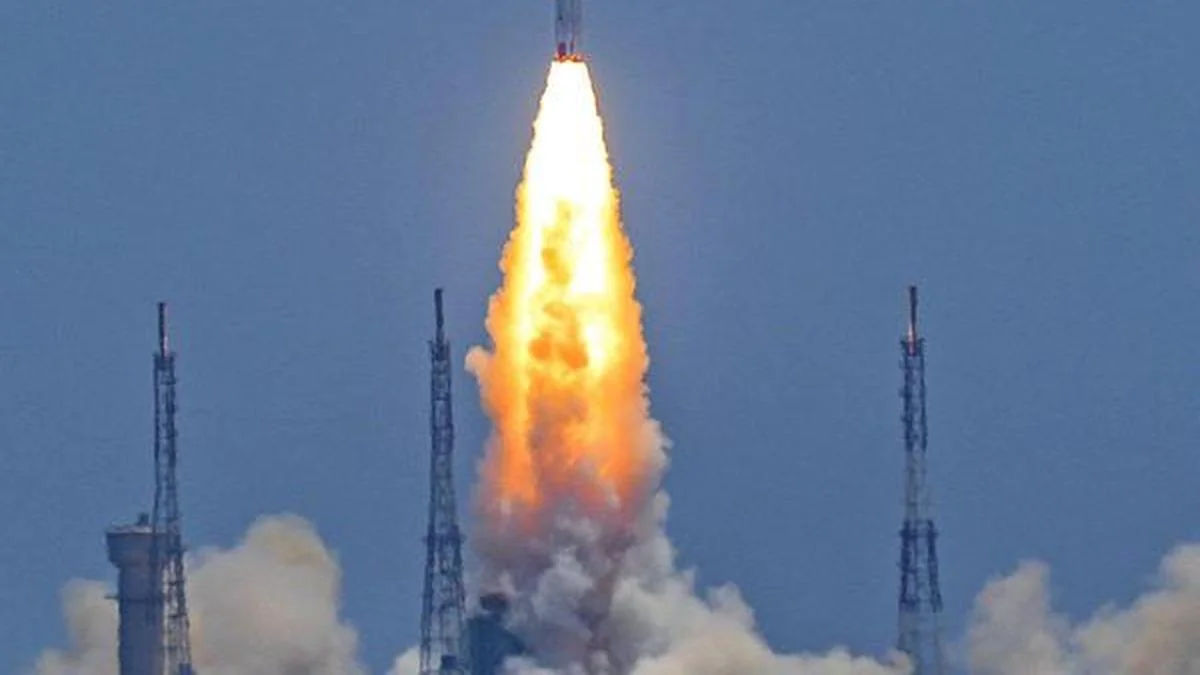
India has long been celebrated for its cost-effective space missions, such as the Chandrayaan and Mangalyaan projects. However, a comprehensive study analyzing over 60 years of space history reveals a different reality for per-unit launch costs. The research indicates that India's cost to put a kilogram of payload into orbit is currently among the highest in the world. This paradox stems from the fact that while individual mission budgets are low, the overall infrastructure costs are spread across a relatively small number of annual launches.
The Scale Problem:
The primary factor driving these high costs is the lack of launch frequency. Global competitors, particularly private entities like SpaceX, have significantly reduced costs by adopting reusable technology and maintaining a high-volume launch schedule. India's ISRO still largely relies on expendable vehicles and a more conservative mission calendar. Without the ability to reuse hardware or distribute fixed ground costs over dozens of launches per year, the per-unit price remains stubbornly high compared to international standards.
Implications for India's Ambitions:
To transition into a global commercial launch hub, India must radically increase its mission tempo. The government is already moving in this direction by encouraging private sector participation through entities like IN-SPACe. Enhancing the frequency of the Small Satellite Launch Vehicle (SSLV) and developing reusable rocket technology are essential steps. Reducing these costs is critical for India to capture a larger share of the global space economy, which is expected to grow as satellite constellations become more prevalent.
Pulse Intelligence
Context & ImpactContext & Background
- India's space agency ISRO is globally renowned for achieving complex interplanetary missions at a fraction of the cost incurred by NASA or the ESA.
- The global space launch market is increasingly dominated by commercial players who use high frequency and reusability to undercut traditional government agencies.
Key Consequences
- ISRO will likely accelerate the development of the RLV-LEX (Reusable Launch Vehicle) to stay competitive.
- Increased collaboration with Indian private aerospace startups will be necessary to boost the annual launch count.
Market & Economic Impact
Potential for increased investment in Indian private space startups as the government pushes for higher launch volumes.
The Indus Pulse is committed to accuracy and transparency.