
India Desk July 18, 2026 at 08:32 AM 2 min readindiadeveloping
India Enhances Climate Resilience With New Green Energy Policy
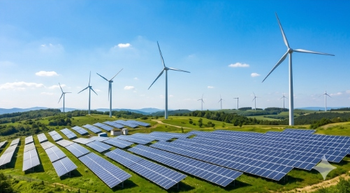
Climate Resilience Initiative:
The Ministry of New and Renewable Energy recently unveiled a comprehensive policy framework designed to strengthen India's climate resilience through an aggressive expansion of solar and wind energy capacity. This strategic roadmap allocates approximately ₹15,000 crore to bolster grid infrastructure and integrate energy storage solutions across the country. The initiative specifically targets the installation of 50 gigawatts of additional renewable capacity by the end of the next fiscal year. This government-led effort focuses on decarbonizing the power sector while ensuring energy security for industrial and domestic consumers alike.
Policy Drivers and Context:
This policy shift responds directly to the escalating need for sustainable energy alternatives amid fluctuating global fossil fuel prices and rising domestic energy demand. Previous efforts struggled with distribution bottlenecks and inadequate battery storage technology, which hindered the efficiency of existing renewable assets. The government has now simplified the regulatory environment for private developers to participate in large-scale projects. By streamlining land acquisition and permitting processes, officials hope to accelerate the transition away from coal-dependent thermal plants in regions most vulnerable to heatwaves and extreme weather events.
Future Outlook and Significance:
The expansion signals a pivotal shift in India's energy landscape, positioning the nation as a global leader in clean energy transition. Experts anticipate that the increased influx of private capital will drive down electricity costs for end-users within the next three years. However, the successful implementation depends on the seamless integration of these decentralized sources into the national grid. Stakeholders will monitor the upcoming bidding process for energy storage contracts as the primary indicator of market confidence. This transition remains crucial for meeting India's long-term net-zero carbon targets while supporting rapid economic growth.
Pulse Intelligence
Context & ImpactContext & Background
- India previously committed to achieving 500 gigawatts of non-fossil fuel energy capacity by 2030 at the COP26 summit.
- Recent grid instability in peak summer months has highlighted the urgent requirement for robust energy storage and capacity augmentation.
Key Consequences
- Private investment in domestic renewable infrastructure is expected to surge as regulatory barriers are removed.
- State governments will receive incentives to prioritize decentralized solar installations for agricultural and municipal power needs.
- Power tariffs may experience long-term downward pressure as renewable sources replace costlier thermal energy generation.
Market & Economic Impact
Energy sector stocks, particularly those linked to renewable infrastructure and battery technology, are expected to show positive momentum.