
August 12, 2026 at 09:40 AM 2 min readindiaanalysis
India Farm Exports Scrutinized as Nations Raise Quality Red Flags
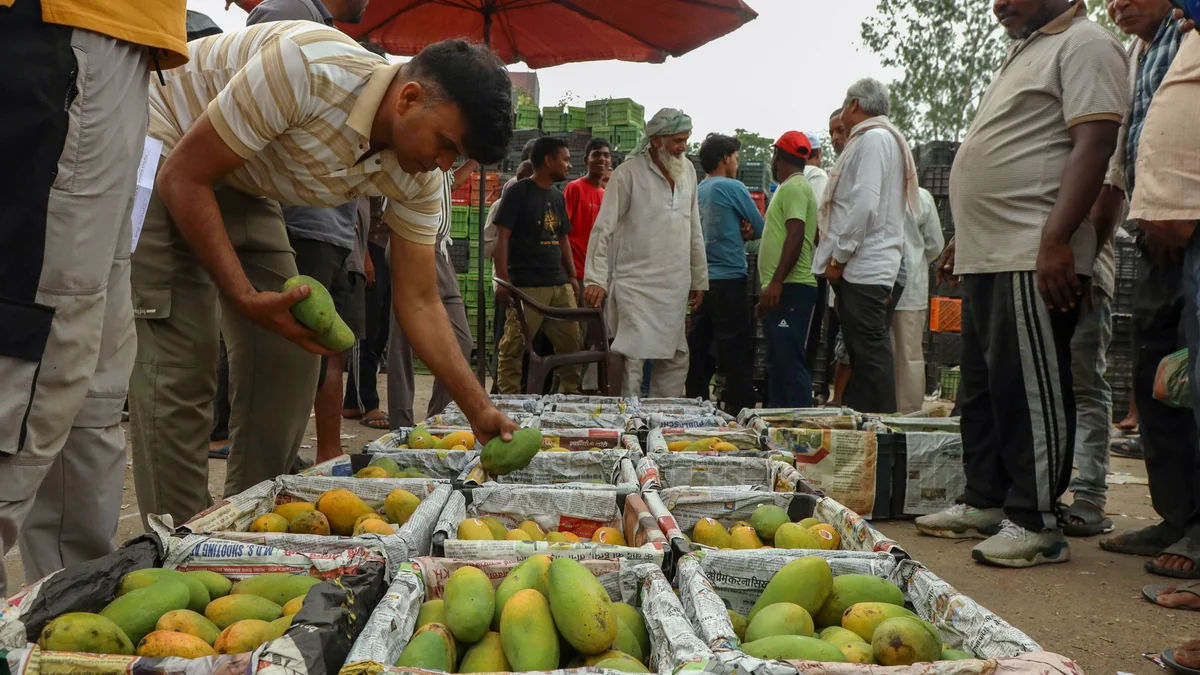
Rising Export Red Flags:
Several nations have raised formal concerns regarding the quality and safety standards of Indian agricultural exports. The scrutiny follows a series of rejections involving various food products due to high pesticide residues and chemical contamination. Major markets, including the European Union and certain Southeast Asian nations, are reportedly tightening their inspection protocols for Indian shipments of spices, rice, and fresh produce. These developments have caused significant alarm among the domestic exporting community.
Regulatory and Quality Concerns:
The primary concerns stem from the detection of substances like Ethylene Oxide in spice mixes and unauthorized pesticide levels in grain exports. These issues highlight potential gaps in the domestic quality control chain and the discrepancies between Indian regulators and international food safety authorities. Previous temporary bans on specific Indian products in international markets have already put domestic agencies on high alert. The lack of standardized testing at the primary production level remains a critical vulnerability for the sector.
Economic and Strategic Implications:
These developments pose a significant threat to India’s strategic goal of doubling agricultural exports by 2030. If more nations adopt restrictive measures, it could lead to a massive backlog of shipments and severe financial losses for the farming sector. The Indian government is expected to engage in bilateral discussions to resolve these trade hurdles while mandating stricter pre-export certification. Failure to address these quality concerns could permanently damage the 'Brand India' reputation in the global food market.
Pulse Intelligence
Context & ImpactContext & Background
- Indian spice exports have faced recent bans in Singapore and Hong Kong due to alleged high levels of Ethylene Oxide.
- The Ministry of Commerce has been pushing for higher quality standards to reach a $100 billion agricultural export target by 2030.
Key Consequences
- Exporting agencies will likely implement mandatory third-party testing for all spice and grain shipments.
- Negotiations with the EU may become more complex, requiring India to harmonize pesticide limits with international norms.
Market & Economic Impact
Potential margin pressure for listed FMCG and spice exporters as compliance costs rise and shipment delays occur.
The Indus Pulse is committed to accuracy and transparency.