
August 9, 2026 at 03:07 PM 2 min readautodeveloping
India EV Retail Sales Surge: Market Share Crosses 11% in July
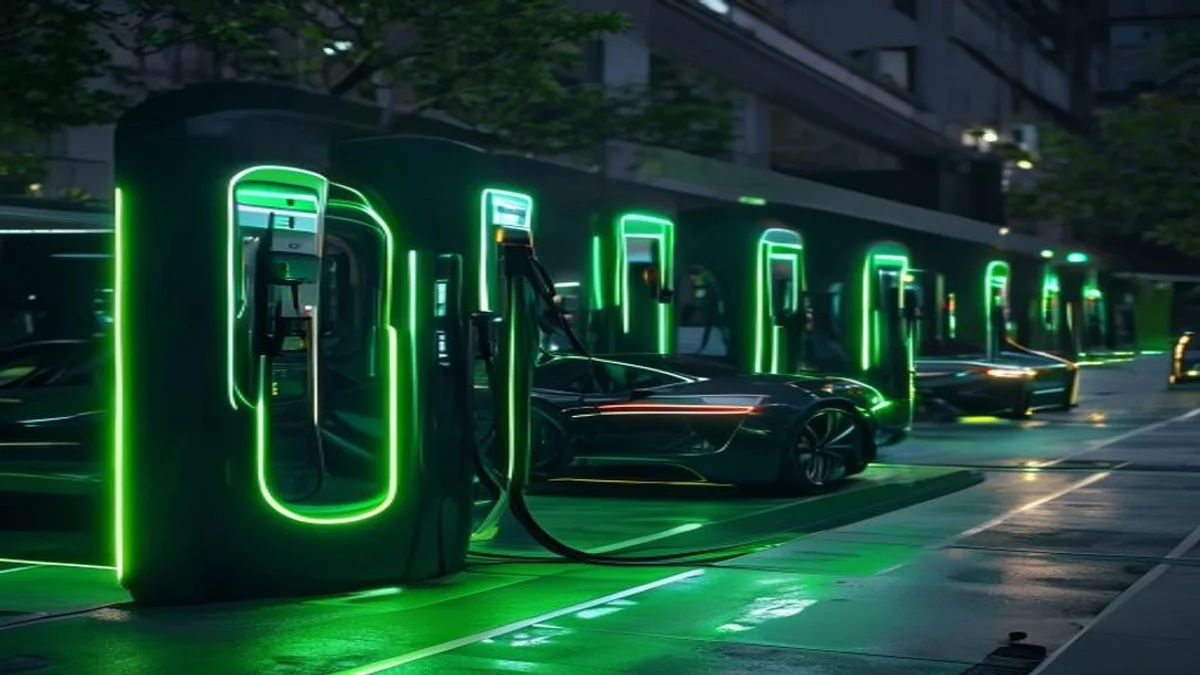
Record Retail Performance:
India’s electric vehicle market reached a significant milestone in July 2026, as total retail sales surged by 66% to approximately 3.28 lakh units. Electric two-wheelers led this growth, with the overall segment’s market share successfully crossing the 11% threshold. This robust performance across the country reflects a deepening consumer acceptance of battery-powered mobility, driven by improved infrastructure and a widening portfolio of domestic and international model options.
Market Drivers and Adoption:
The expansion of the Indian EV ecosystem is supported by aggressive efforts from major manufacturers including Tata, Mahindra, and MG, alongside growing interest from global players like VinFast. Policy incentives and the local production of battery components have helped bridge the price gap between internal combustion engine vehicles and their electric counterparts. As consumers increasingly view EVs as viable daily drivers, the industry continues to benefit from network effects, where greater visibility leads to increased charging accessibility and service confidence.
Future Transition Challenges:
Sustaining this momentum requires a dedicated focus on developing an inclusive, future-ready workforce equipped to handle advanced automotive technologies. The rapid adoption phase is moving beyond early adopters to the mass market, which brings specific requirements for affordability and post-sales support. Policymakers and industry leaders are now emphasizing the need for vocational training and skill-building initiatives to ensure the domestic automotive ecosystem can support long-term electrification targets while maintaining the necessary quality standards for the modern Indian commuter.
Pulse Intelligence
Context & ImpactContext & Background
- Electric vehicle retail sales in India have consistently climbed throughout the first half of 2026, supported by government FAME-related policy framework.
- Two-wheeler penetration has been the primary driver of India’s electric mobility transition, outpacing electric car adoption rates.
Key Consequences
- Continued rise in EV market share will likely accelerate private investment in charging station networks across Tier-1 and Tier-2 cities.
- Increased demand for specialized automotive training programs for mechanics and service personnel in the EV segment.
Market & Economic Impact
Positive outlook for domestic auto manufacturers as EV adoption boosts stock market confidence in the automotive sector.
The Indus Pulse is committed to accuracy and transparency.