
21 Aug 2026, 08:33 AM 2 min readautoDaily Pulse
India EV Manufacturing Enters Industrial Phase Amid Battery Production Hurdles
Installed production capacity exceeds 2 million units annually, though domestic battery cell output covers less than 1% of demand.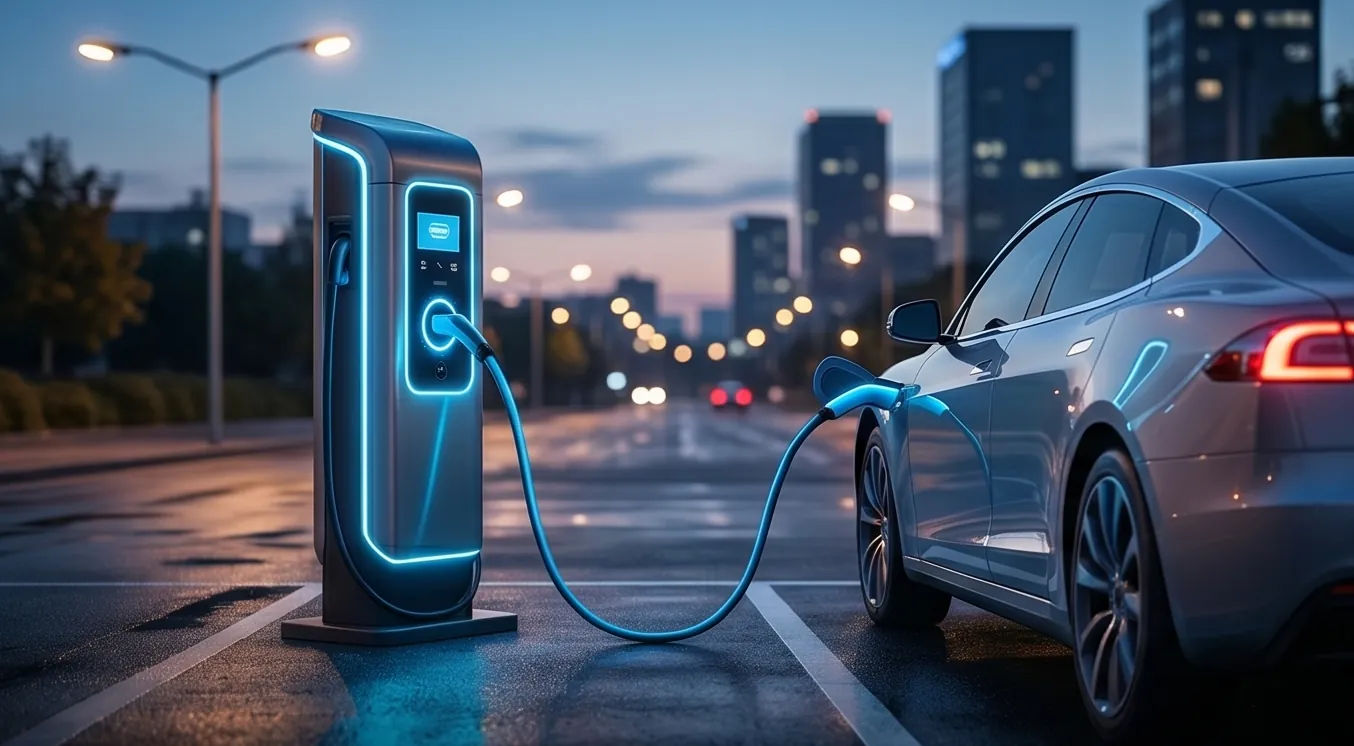
[Industrial Phase Milestone]:
India's electric vehicle transition has officially entered its industrial phase, with the nation's installed production capacity exceeding 2 million units per year. Key to this growth are domestic battery cell manufacturing facilities supported by the Production Linked Incentive scheme, with players like Ola Electric, Amara Raja, Exide Industries, and Reliance New Energy producing cells locally.
[Gigafactory Scale-Up]:
Ola Electric's Gigafactory in Krishnagiri, Tamil Nadu, produces lithium-ion cells at an annual capacity of 5 GWh, while Amara Raja's Giga Corridor in Divitipalle, Telangana, has commenced Phase 1 operations producing LFP cells. The broader EV PLI scheme has allocated ₹18,100 crore to boost local manufacturing capabilities across the country.
[Persistent Import Reliance]:
Despite these major capacity additions, significant challenges remain in battery cell production. The Advanced Chemistry Cell PLI scheme has commissioned only a small fraction of its target, and India's dependence on imported lithium-ion battery cells remains nearly absolute, supplying less than 1% of the massive domestic demand pipeline.
Pulse Intelligence
Context & ImpactContext & Background
- India has climbed to become the world's third-largest EV market by two and three-wheeler volume.
- The ACC PLI scheme was established to incentivize domestic production of advanced chemistry cells.
- Major energy players initiated local cell production facilities between 2025 and 2026.
Key Consequences
- Domestic battery producers will continue scaling facility output to bridge the massive demand gap.
- Policy makers may review timelines and support mechanisms to accelerate ACC scheme commissioning.
- Vehicle manufacturers will maintain reliance on imported components until domestic supply chains mature.
Market & Economic Impact
Heavy capital expenditure by EV and battery manufacturers like Amara Raja, Exide, and Ola may weigh on short-term cash flows, but long-term localization will structurally improve profit margins.
The Indus Pulse is committed to accuracy and transparency.