
August 11, 2026 at 01:35 PM 2 min readworldanalysis
India Revamps Ties With Bangladesh and Nepal via High-Level Envoy Talks
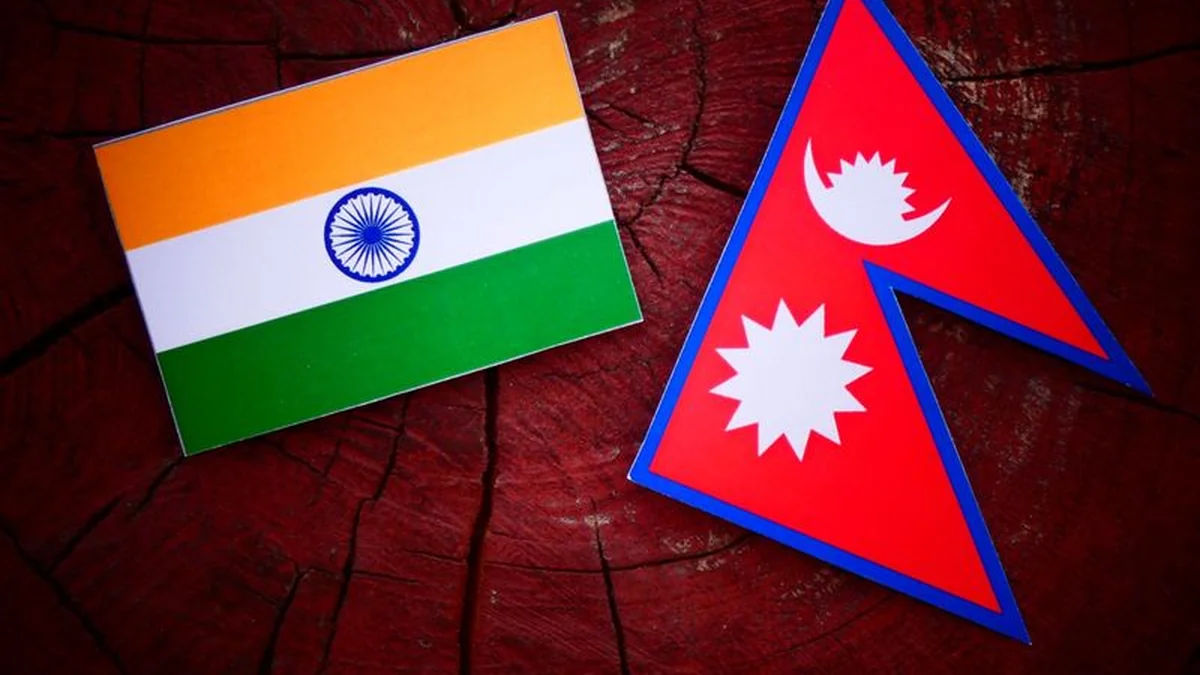
Coordinated Diplomatic Outreach:
Indian envoys in Bangladesh and Nepal conducted separate high-level meetings with the respective Prime Ministers of the two nations on Monday. These sessions were designed to convey Prime Minister Narendra Modi's personal greetings and to formally reaffirm New Delhi's steadfast commitment to its neighbors. The Indian High Commissioner to Bangladesh and the Ambassador to Nepal both emphasized the importance of historical and cultural bonds. These meetings are part of a broader strategy to ensure regional stability amid shifting geopolitical dynamics in South Asia. The outreach is seen as a vital step in maintaining India's influence in its immediate periphery.
Strategic Context of the Meetings:
The timing of these meetings is significant as India looks to revitalize its "Neighborhood First" policy. In Bangladesh, discussions likely touched upon ongoing infrastructure projects and the shared management of river resources. In Nepal, the focus remained on energy cooperation and the development of cross-border connectivity through rail and road networks. Both countries are critical partners for India's national security and economic integration efforts. By engaging directly with the heads of state, New Delhi is signaling that it prioritizes these partnerships despite various internal or external challenges facing the region.
Impact on Regional Cooperation:
These diplomatic interactions are expected to pave the way for future bilateral visits and higher-level ministerial dialogues. For the average Indian, strengthened ties with Bangladesh and Nepal translate into better regional trade and more secure borders. The reaffirmation of ties also serves to counter the growing influence of other global powers in the South Asian region. Immediate outcomes may include the fast-tracking of pending bilateral agreements and increased cooperation on security matters. As India continues to position itself as a regional leader, these steady diplomatic engagements remain the cornerstone of its foreign policy objective to build a prosperous South Asian community.
Pulse Intelligence
Context & ImpactContext & Background
- India's 'Neighborhood First' policy has been a central pillar of Prime Minister Narendra Modi's foreign policy since 2014.
- Recent shifts in the domestic politics of both Bangladesh and Nepal have necessitated frequent diplomatic 'resets' to maintain continuity in bilateral projects.
Key Consequences
- Possible announcement of new joint infrastructure or energy projects in the coming quarter.
- Strengthened intelligence sharing and security cooperation along the shared borders to prevent cross-border crime.
Market & Economic Impact
Improved ties may lead to increased stock performance for Indian companies involved in cross-border energy and infrastructure sectors.
The Indus Pulse is committed to accuracy and transparency.