
17 Aug 2026, 10:40 PM 2 min readautoanalysis
India E20 Fuel Transition Sparks Engine Compatibility Debate
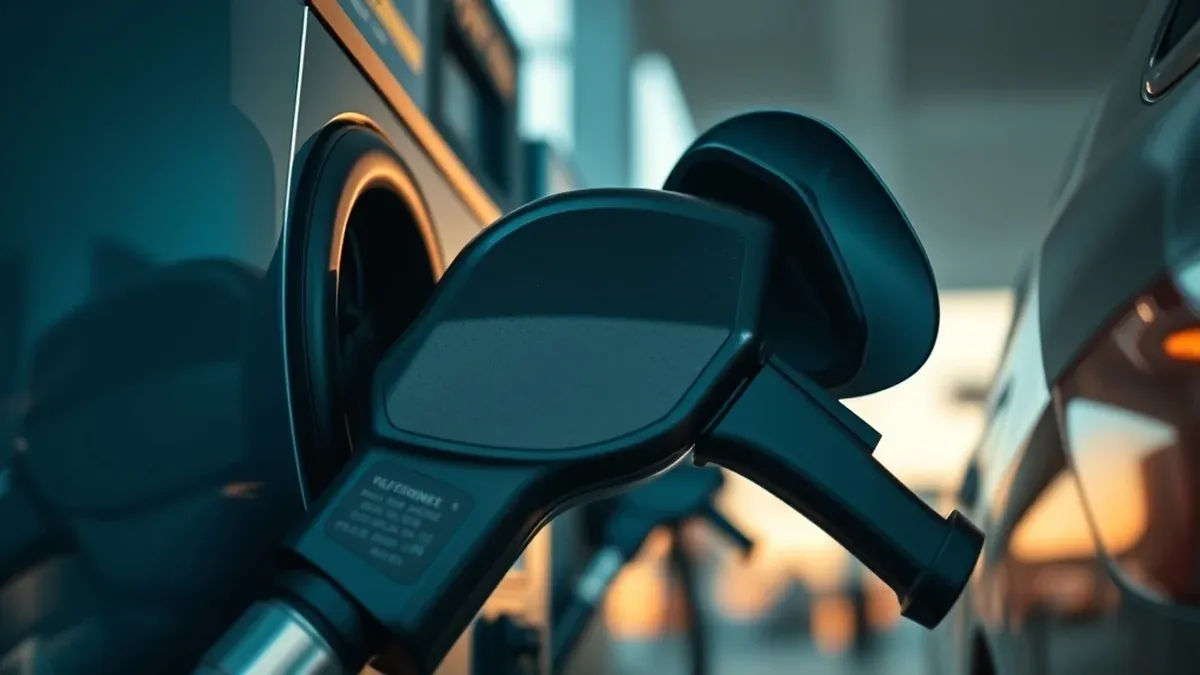
Indian Automotive Transition:
Indian vehicle buyers are increasingly scrutinising engine compatibility and fuel options as the nationwide rollout of E20 (20% ethanol-blended petrol) gains momentum. The transition, which forms a key part of India's green energy strategy, has sparked intense debates among consumers regarding long-term vehicle durability and fuel efficiency. Buyers, particularly in regions like Bhubaneswar, are carefully evaluating whether to opt for E20-compliant petrol models, diesel variants, or make a complete shift to electric vehicles (EVs) to avoid potential engine compatibility issues.
Ethanol Blending Challenges:
The debate stems from the technical impact of ethanol on older internal combustion engines. While vehicles manufactured after April 2023 are designed to comply with material requirements for E20 fuel, older models remain highly vulnerable to corrosion in fuel systems and rubber gaskets. Furthermore, ethanol has a lower energy density than pure petrol, leading to a noticeable 5% to 7% reduction in fuel mileage, which directly impacts running costs. Consumers are voicing concerns over the lack of pricing incentives for blended fuel, as E20 petrol is currently sold at the same price as standard fuel despite its lower efficiency.
Market and Policy Outlook:
Looking ahead, the automotive industry is rapidly adapting by launching fully compliant flex-fuel models, though mass adoption depends heavily on consumer confidence. For the average Indian car buyer, this debate emphasizes the necessity of checking OBD-2 compliance on new purchases and assessing the viability of electric or hybrid alternatives. The government's push to achieve 20% ethanol blending nationwide remains on track, but resolving consumer anxieties over engine wear and fuel economy will be critical for a seamless transition.
Pulse Intelligence
Context & ImpactContext & Background
- India advanced its target of achieving 20% ethanol blending in petrol to 2025-2026, aiming to cut oil import bills and reduce vehicular emissions.
- Vehicles produced in India since April 2023 are mandatory OBD-2 compliant, making them chemically compatible with E20 fuel blends.
Key Consequences
- Resale values for pre-2023 non-compliant vehicles may face pressure as pure E10 fuel becomes harder to find.
- Automakers will likely step up marketing efforts for hybrid and electric vehicles as long-term alternatives to fuel blending debates.
Market & Economic Impact
Car manufacturers like Maruti Suzuki and Tata Motors will see higher demand for E20-compliant engines and green mobility variants.
The Indus Pulse is committed to accuracy and transparency.