
July 23, 2026 at 01:06 AM 2 min readautoanalysis
India Completes Nationwide E20 Petrol Rollout For Energy Security
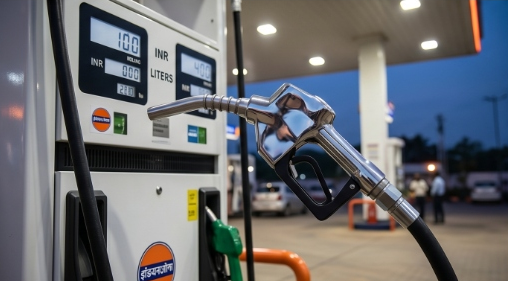
Nationwide Rollout:
India completed the nationwide rollout of E20 petrol in April 2025, establishing it as the standard fuel grade at petrol stations. E20 fuel blends 20 percent ethanol with 80 percent petrol to cut imported crude oil dependence, lower emissions, and support agriculture. New vehicles manufactured from April 2023 onward feature factory compatibility with E20 fuel.
Vehicle Impact:
ARAI studies indicate that prolonged exposure to higher ethanol blends can accelerate wear in older rubber and plastic fuel components. Real-world testing by Autocar India shows a measurable drop in mileage for both newer and older vehicles. Additionally, ethanol's hygroscopic nature increases susceptibility to water contamination if excess moisture enters storage tanks.
Future Regulations:
The Bureau of Indian Standards notified quality standards for E22, E25, E27, and E30 petrol in May 2026 to prepare for upcoming fuel transitions. The government and FADA confirm that valid vehicle warranties remain honored, while standard petrol stations now exclusively offer E20 alongside high-octane options.
Pulse Intelligence
Context & ImpactContext & Background
- The Indian government prioritized ethanol blending programs to strengthen national energy security and reduce crude oil imports.
- Automotive manufacturers updated engine specifications starting in April 2023 to ensure factory compatibility with E20 fuel.
Key Consequences
- Owners of older pre-2023 vehicles will need to increase fuel system inspections to mitigate rubber and plastic component wear.
- Refining companies and regulatory bodies will advance infrastructure standards for higher ethanol fuel blends like E30.
Market & Economic Impact
Automotive and oil-marketing sectors will adjust supply chains to accommodate standard E20 distribution across retail fuel outlets.
The Indus Pulse is committed to accuracy and transparency.