
India Desk July 19, 2026 at 04:32 PM 2 min readindiaanalysis
Bullet Trains in India: Assessing the Infrastructure Reset
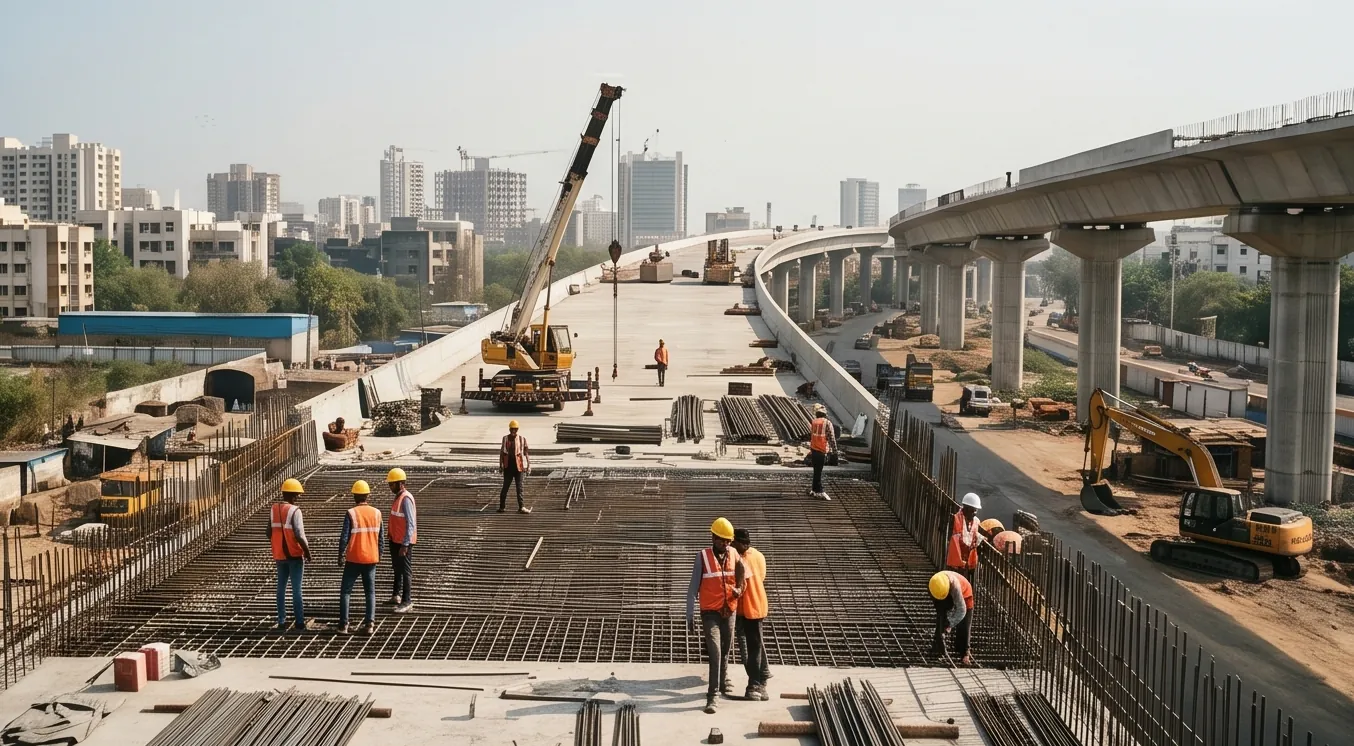
The Infrastructure Shift:
India is currently evaluating a significant reset regarding its ambitious high-speed rail projects, commonly referred to as bullet trains. This strategic re-evaluation seeks to balance the necessity of modernizing national connectivity with the financial and logistical complexities involved in large-scale infrastructure deployment. The focus has shifted toward operational efficiency, indigenous technology integration, and ensuring that high-speed rail corridors can be sustained in a diverse economic landscape.
Financial and Operational Hurdles:
The development of these high-speed networks involves overcoming immense challenges, including land acquisition, high capital intensity, and the integration of international technical standards. Recent policy discussions highlight the need for a sustainable model that avoids the pitfalls of previous, more rigid deployment timelines. By focusing on a phased implementation approach, planners aim to create a network that is both technically robust and fiscally viable.
Implications for Connectivity:
As these projects progress, the impact on regional connectivity and economic growth remains a primary benchmark. A successful rollout is expected to drastically reduce transit times between major Indian cities, potentially fostering new economic corridors. The emphasis now is on establishing clear milestones that prioritize speed without compromising on safety or budgetary discipline, reflecting a more cautious, long-term strategic outlook for rail infrastructure.
Pulse Intelligence
Context & ImpactContext & Background
- The Indian government has long pursued a high-speed rail network to connect major industrial hubs.
- Previous project phases faced challenges related to land acquisition and complex cross-border technological partnerships.
Key Consequences
- Successful deployment could significantly boost business travel efficiency and reduce regional transit times.
- Refining the implementation strategy may lead to more predictable project timelines and budget management.
Market & Economic Impact
Potential long-term boost for Indian infrastructure and engineering firms involved in rail construction.