
August 14, 2026 at 07:35 AM 2 min readindiaanalysis
India at 80: Colonial Bureaucracy Identified As Major Progress Hurdle
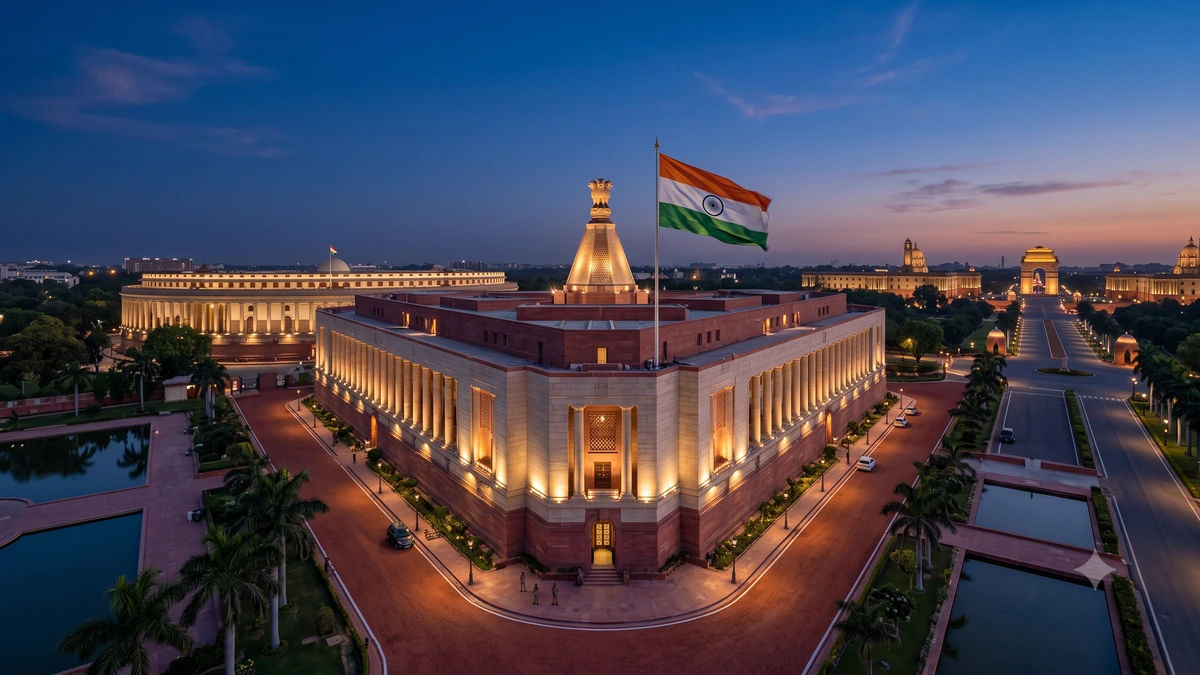
Reflections on 80 Years:
As India celebrates 80 years of independence on August 15, 2026, the national discourse has shifted toward evaluating the structural barriers to future growth. While the nation has achieved significant milestones in space, technology, and economic scale, the persistent 'colonial mindset' within the bureaucracy is being flagged as a primary challenge. Analysts argue that despite eight decades of freedom, many administrative procedures and attitudes remain rooted in the era of the British Raj. This historical baggage often slows down the delivery of public services and complicates the implementation of modern economic policies.
Democratic Resilience vs Administrative Inertia:
The journey of Indian democracy over the last 80 years is widely regarded as a success story of resilience and diversity. However, the disconnect between a fast-moving digital economy and a slow-moving administrative machinery is becoming more apparent. Experts point out that the 'Steel Frame' of India—the civil services—needs a fundamental cultural shift from control to facilitation. Recent reports suggest that while political leadership has pushed for 'Minimum Government, Maximum Governance,' the lower and middle tiers of the bureaucracy often resist these changes, maintaining old-world hierarchies and red tape.
The Path to 100 Years:
Looking toward the centenary of independence, the focus is expected to stay on institutional reforms that can modernize the Indian state. This involves not just digital transformation but also a change in the legal frameworks that govern administrative behavior. For the average Indian, these reforms are critical to improving the 'ease of living' and reducing corruption in daily interactions with the state. The next decade will likely be defined by how well India can shed its colonial administrative skin to match its aspirations as a leading global power by 2047.
Pulse Intelligence
Context & ImpactContext & Background
- India gained independence on August 15, 1947, inheriting an administrative system designed primarily for revenue collection and law enforcement by the British.
- In recent years, the 'Mission Karmayogi' program was launched to reform the Indian civil services and build a more citizen-centric bureaucracy.
Key Consequences
- Pressure on the government to initiate deeper administrative and police reforms is expected to grow during this landmark year.
- A shift toward lateral entry in higher bureaucracy may accelerate to bring in specialized talent from the private sector.
Market & Economic Impact
Structural reforms in bureaucracy could significantly improve the 'ease of doing business,' attracting higher Foreign Direct Investment (FDI) over the long term.
The Indus Pulse is committed to accuracy and transparency.