
July 30, 2026 at 03:01 AM 2 min readhealthNews Insights
India Achieves 50% Non-Fossil Fuel Capacity Five Years Ahead Of Schedule
India has hit its 50% non-fossil fuel capacity target, with 297.36 GW installed as of June 2026.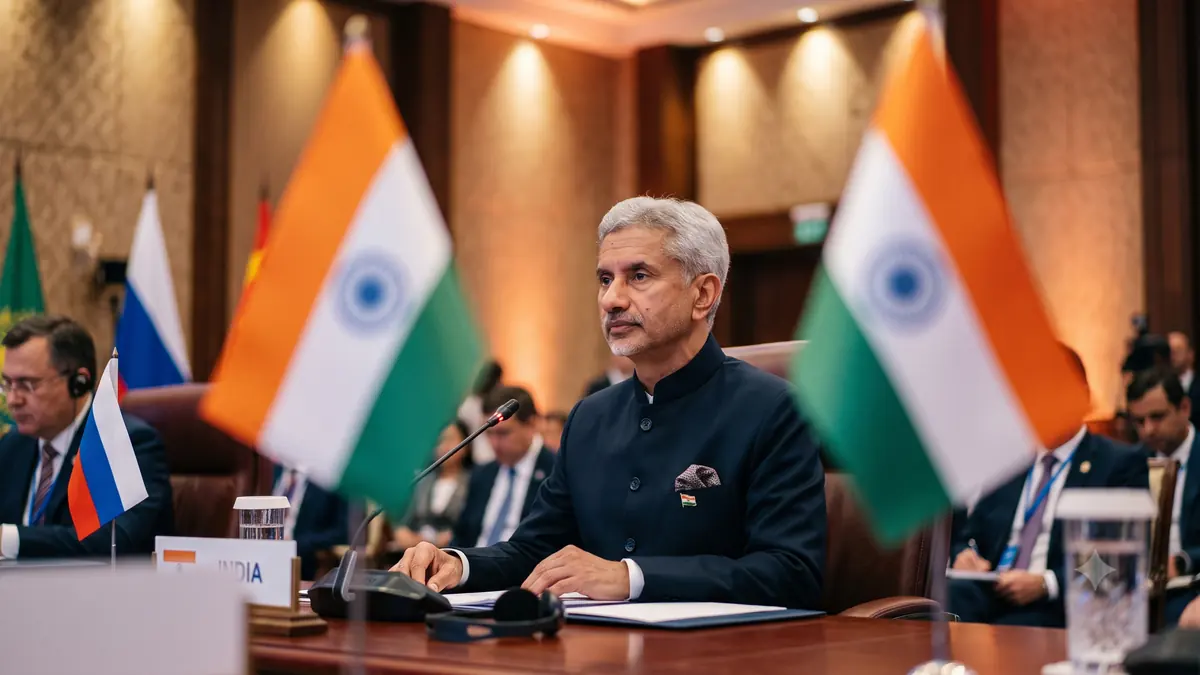
[Energy Milestone]:
India has successfully reached its target of sourcing 50% of its installed electricity capacity from non-fossil fuel sources, achieving this goal five years ahead of the original 2030 deadline. According to government data, as of June 30, 2026, the nation has installed approximately 297.36 GW of non-fossil fuel-based electricity capacity, with renewable energy sources accounting for approximately 288.58 GW of that total.
[Infrastructure Expansion]:
This rapid transition is supported by significant investments in both large-scale and residential energy projects. The Asian Development Bank (ADB) has recently approved a loan of approximately US$850 million to facilitate the second phase of India's residential rooftop solar program. This initiative is specifically designed to add 30GW of residential solar capacity by the end of FY2027, further cementing the country's commitment to sustainable energy infrastructure.
[Public Health Implications]:
While primarily an energy achievement, the shift away from fossil fuels has profound implications for public health. By reducing reliance on coal and other carbon-intensive energy sources, the country is expected to see long-term improvements in air quality and a reduction in respiratory-related health issues. This transition aligns with broader national goals to integrate sustainable development with public health improvements, ensuring a cleaner environment for the growing population.
Pulse Intelligence
Context & ImpactContext & Background
- India set a 2030 deadline for achieving 50% non-fossil fuel electricity capacity.
- As of June 30, 2026, India reached 297.36 GW of non-fossil fuel capacity.
- The ADB approved an $850 million loan for residential rooftop solar expansion.
Key Consequences
- Long-term reduction in air pollution levels, benefiting public respiratory health.
- Increased adoption of residential solar energy across urban and rural households.
- Strengthened energy security through a diversified and sustainable power mix.
Market & Economic Impact
The achievement supports the growth of renewable energy companies and green infrastructure investments.
The Indus Pulse is committed to accuracy and transparency.