
July 27, 2026 at 10:17 AM 2 min readauto
India’s Advanced Chemistry Cell Demand Projected to Hit 700 GWh by 2030
Battery energy storage systems are expected to grow at a 78% CAGR through 2030.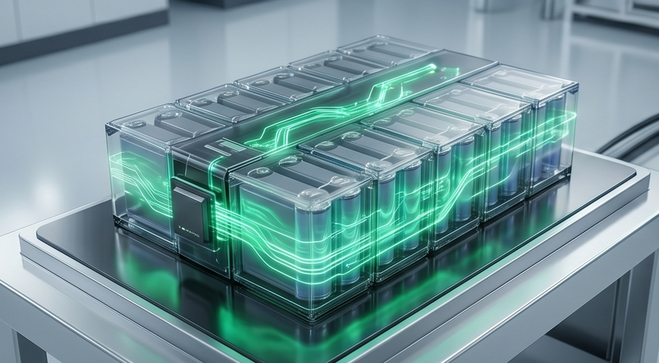
[Demand Projections]:
India is entering a period of rapid expansion in its Advanced Chemistry Cell (ACC) market, with demand expected to grow at a Compound Annual Growth Rate (CAGR) of 39% between 2025 and 2030. According to a research report by Nuvama, the nation's ACC demand is forecast to surge from approximately 40 GWh in 2025 to nearly 700 GWh by 2030. This exponential growth is primarily fueled by the accelerating adoption of electric vehicles and the widespread deployment of battery energy storage systems (BESS).
[Growth Drivers]:
While electric vehicles remain a significant driver of demand, the BESS sector is poised for the most dramatic expansion. Projections indicate that BESS applications will grow at a CAGR of 78% over the same five-year period, reflecting a structural shift in how India manages its energy grid and renewable energy integration. This surge in demand is creating a massive opportunity for domestic manufacturing, as the country seeks to reduce its dependence on imported battery cells and establish a self-reliant energy storage ecosystem.
[Policy Support]:
The government is actively supporting this transition through the ₹18,100 crore Production Linked Incentive (PLI) scheme for ACC batteries. This policy is designed to catalyze the establishment of 50 GWh of domestic cell manufacturing capacity, providing the necessary infrastructure to meet the projected demand. By incentivizing local production of battery materials and manufacturing, the government aims to secure the supply chain for the future of mobility and energy storage, positioning India as a key player in the global battery market.
Pulse Intelligence
Context & ImpactContext & Background
- The government launched the PLI scheme for ACC batteries to reduce import reliance.
- Electric vehicle adoption has been rising steadily across India's passenger and commercial segments.
- Battery energy storage systems are becoming critical for integrating renewable energy into the national grid.
Key Consequences
- Domestic battery manufacturing capacity will likely see significant investment following the PLI scheme incentives.
- The rapid growth of BESS will improve grid stability and support India's renewable energy targets.
- India's reliance on imported battery cells is expected to decrease as local production scales up.
Market & Economic Impact
Not applicable.
The Indus Pulse is committed to accuracy and transparency.