
July 25, 2026 at 01:10 AM 2 min readhealthanalysis
Immunohistochemical Study Evaluates Markers In Prostatic Lesions
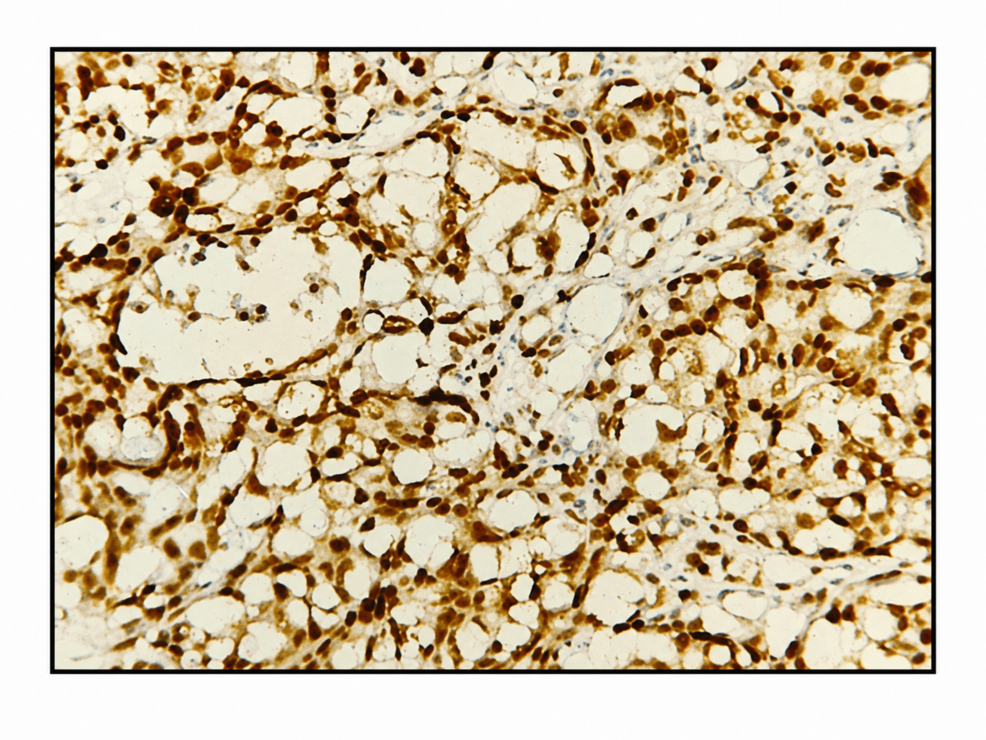
Prostatic Marker Analysis:
A recent immunohistochemical study has provided deeper insights into the expression of p53 and Ki-67 proteins in various prostatic lesions. By analyzing these biomarkers in both benign and malignant tissues, researchers aim to improve the accuracy of diagnosis for prostate conditions. The study highlights how these protein profiles serve as indicators of cellular proliferation and mutation, providing pathologists with more precise tools to distinguish between different types of growths in the prostate gland.
Molecular Diagnostics:
Immunohistochemistry remains a cornerstone for analyzing tissue samples, particularly in identifying malignant potential. p53 is a well-known tumor suppressor protein, and its overexpression often correlates with genetic damage. Ki-67, conversely, acts as a marker for the rate of cell division. By examining these two factors together, the research seeks to create a clearer molecular roadmap for assessing the aggressiveness of prostate lesions. These clinical findings are essential for developing personalized treatment strategies that rely on specific molecular profiles rather than solely relying on morphological examination.
Clinical Implications:
The ability to accurately categorize prostatic lesions is a major factor in patient prognosis and the selection of therapy. Improved diagnostic precision directly impacts clinical decision-making, ensuring that patients receive timely interventions tailored to the nature of their specific lesion. As these molecular markers become more standardized in pathology labs, the quality of care for prostate-related conditions is expected to improve significantly. Future research will likely build on these findings to refine risk-stratification models, further enhancing the ability to manage and treat complex prostatic pathologies efficiently and accurately.
Pulse Intelligence
Context & ImpactContext & Background
- Prostate biopsy remains the standard for diagnosing malignant conditions, but molecular markers add critical predictive value.
- Immunohistochemical markers like Ki-67 and p53 have long been utilized in oncology to assess tumor behavior.
Key Consequences
- Enhanced standardization of molecular diagnostic reporting for prostate biopsy samples.
- Potential integration of marker-based stratification into clinical treatment protocols for prostate health.
Market & Economic Impact
No direct market impact.
The Indus Pulse is committed to accuracy and transparency.