
August 9, 2026 at 01:09 AM 2 min readhealthdeveloping
ICMR Dengue Study Warns of Multiple Strains
ICMR Dengue Surveillance Study:
A comprehensive two-year nationwide surveillance study conducted by the Indian Council of Medical Research Virus Research and Development Laboratories network reveals a growing health threat. Researchers found that multiple strains of the dengue virus are now circulating simultaneously across various regions of India. This simultaneous presence of multiple serotypes significantly heightens the risk of severe clinical manifestations among infected patients. The findings arrive alongside rapid surges in seasonal dengue cases across key urban centers, including Lucknow, Gurugram, Pune, and Delhi, where monsoon rainfall has accelerated mosquito breeding.
Co-Circulating Virus Strains Burden:
The co-circulation of different viral strains alters disease dynamics and severely complicates natural immunity among populations. When an individual contracts a secondary infection from a distinct viral strain, the risk of severe complications like dengue hemorrhagic fever increases dramatically. Health experts note that this complex viral landscape complicates vector management and clinical diagnosis. It also creates major hurdles for the rollout of upcoming dengue vaccination programs, as candidate vaccines must demonstrate balanced efficacy against all co-circulating serotypes to prevent vaccine-induced disease enhancement.
Vaccine Rollout and Public Health:
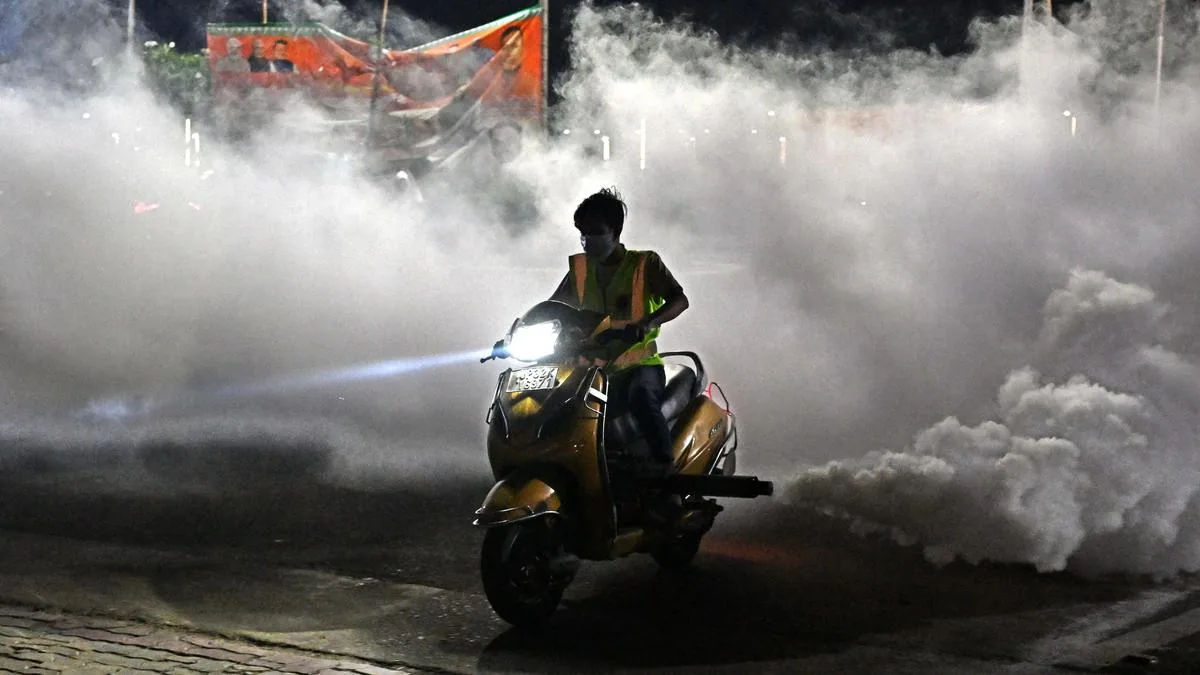
Public health authorities are now prioritizing expanded genomic surveillance to monitor strain shifts and regional outbreaks across Indian states. Municipal authorities across affected cities have launched aggressive fogging drives and source reduction campaigns to curb mosquito populations. Medical specialists urge early diagnostic testing to identify severe cases before critical complications arise. The ICMR study results will guide national policy frameworks as health authorities prepare strategies for vaccine distribution, hospital capacity management, and long-term vector control across high-burden urban zones.
Pulse Intelligence
Context & ImpactContext & Background
- Dengue cases in India historically spike during the annual monsoon season between June and September due to vector breeding in stagnant water.
- The ICMR-VRDL network established nationwide laboratory surveillance to track viral mutations and serotype shifts across urban and rural health centers.
Key Consequences
- Public health agencies will modify dengue vaccination trial protocols to evaluate protection against multiple co-circulating serotypes.
- Municipal bodies across major Indian metros will intensify anti-larval drives and civic penalty enforcement to control urban mosquito breeding.
Market & Economic Impact
Increased diagnostic testing and hospitalization demand will boost seasonal revenue for Indian healthcare providers, diagnostic labs, and pharmaceutical firms.
The Indus Pulse is committed to accuracy and transparency.