
Sports Desk July 15, 2026 at 04:35 PM 2 min readsportsanalysis
ICC Revamps World Cup Format, Increasing India-Pakistan Clashes
Revised World Cup Structure:
The International Cricket Council (ICC) has officially approved a new format for the 2027 ODI World Cup, set to be held in Africa. The 14-team tournament will feature a preliminary round for lower-ranked teams, followed by a main group stage consisting of two pools of six teams. A key change is the introduction of a new "Super Seven" stage, which replaces the previous "Super Six" round-robin structure. Most notably, the new format removes the quarterfinal stage, a move the ICC argues will create greater context and competitiveness throughout the event by reducing the number of "dead rubber" matches.
India-Pakistan Rivalry Potential:
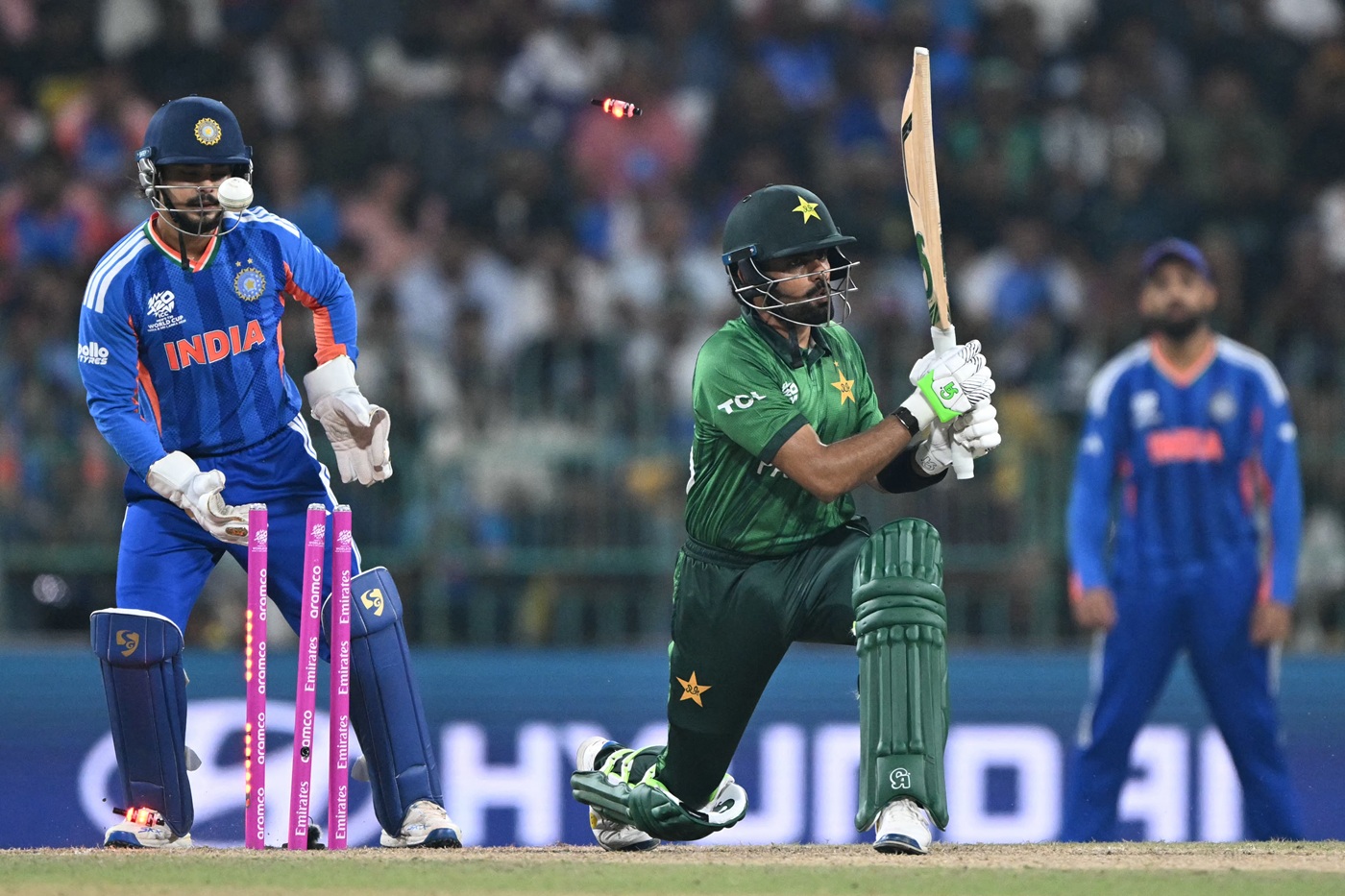
The change in format significantly increases the statistical probability of additional matches between India and Pakistan. Given their intense rivalry and the massive commercial value of these fixtures, the prospect of facing each other multiple times has generated significant interest. However, current political tensions mean these encounters are effectively limited to ICC tournaments, as both governments have largely restricted bilateral cricket series for nearly two decades. The move is seen as a strategic push to capitalize on the high broadcast revenues generated by the high-stakes subcontinental clash.
Global Cricket Implications:
Beyond the ODI format, the ICC also announced updates for the 2028 T20 World Cup, which will retain its 20-team structure but modify the qualification process for the "Super 10" stage. Additionally, the ICC approved a $12.82 million loan for Cricket West Indies to support regional infrastructure, addressing the financial disparity faced by smaller member boards. These changes reflect an ongoing effort by the ICC to balance commercial interests with the need to keep flagship events fresh and inclusive. For fans, the revamped structure promises more frequent high-intensity drama, though critics have raised concerns about the impact on emerging nations' participation.
Pulse Intelligence
Context & ImpactContext & Background
- India and Pakistan last played a bilateral series in 2006, with current geopolitical tensions preventing regular meetings outside ICC events.
- The ICC has been under pressure to ensure more competitiveness in its flagship tournaments after criticisms of the recent T20 World Cup.
Key Consequences
- The new format is expected to generate significant broadcast revenue due to the increased frequency of India-Pakistan encounters.
- Smaller cricketing nations face potential exclusion as the tournament structure shifts toward more guaranteed matches for top teams.
- Increased ICC funding for regions like the West Indies aims to narrow the competitive gap in international cricket.
Market & Economic Impact
The format change is expected to significantly boost commercial revenue for the ICC through enhanced broadcasting deals tied to marquee rivalries.