
India Desk July 17, 2026 at 11:02 PM 2 min readindiabreaking
Historic 3.5-Tonne Cannon Stolen From Narwar Fort, Madhya Pradesh
Heritage Artifact Theft:
A historic cannon weighing approximately 3.5 tonnes has been stolen from the heritage site of Narwar Fort in the Shivpuri district of Madhya Pradesh. The massive size of the artifact suggests the perpetrators utilized specialized equipment to remove and transport the cannon, indicating a planned criminal operation. The theft has sparked outrage among heritage conservationists and local residents.
Security and Surveillance Gaps:
The incident highlights significant vulnerabilities in the protection of India's remote historical sites. Narwar Fort, a site of considerable historical significance, appears to have lacked adequate security measures, allowing thieves to dismantle and carry away such a heavy piece of artillery unnoticed. Authorities are currently investigating how such a conspicuous object could be removed without triggering security alarms or being spotted by local patrols.
Police Investigation Launched:
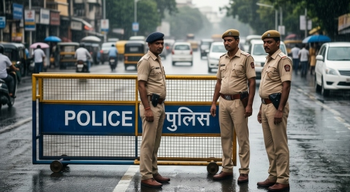
Law enforcement agencies in Shivpuri have registered a case and initiated a search operation to recover the artifact. Officials are examining local scrap networks and illicit antique trading channels as primary leads for the recovery of the stolen cannon. The incident has intensified calls for the state government to audit security protocols at all protected archaeological sites to prevent further looting of national heritage.
Pulse Intelligence
Context & ImpactContext & Background
- Narwar Fort is a prominent historical landmark in the Shivpuri district known for its medieval architecture.
- Madhya Pradesh holds a vast collection of unprotected or under-protected archaeological heritage sites across the state.
Key Consequences
- Police are investigating the potential involvement of organized gangs specializing in the illegal trade of heritage artifacts.
- State authorities face mounting pressure to install modern surveillance and perimeter security at historical monuments.
Market & Economic Impact
No direct market impact.