
August 14, 2026 at 12:35 AM 2 min readindiaevergreen
Eminent Historian Sumit Sarkar Passes Away at 87
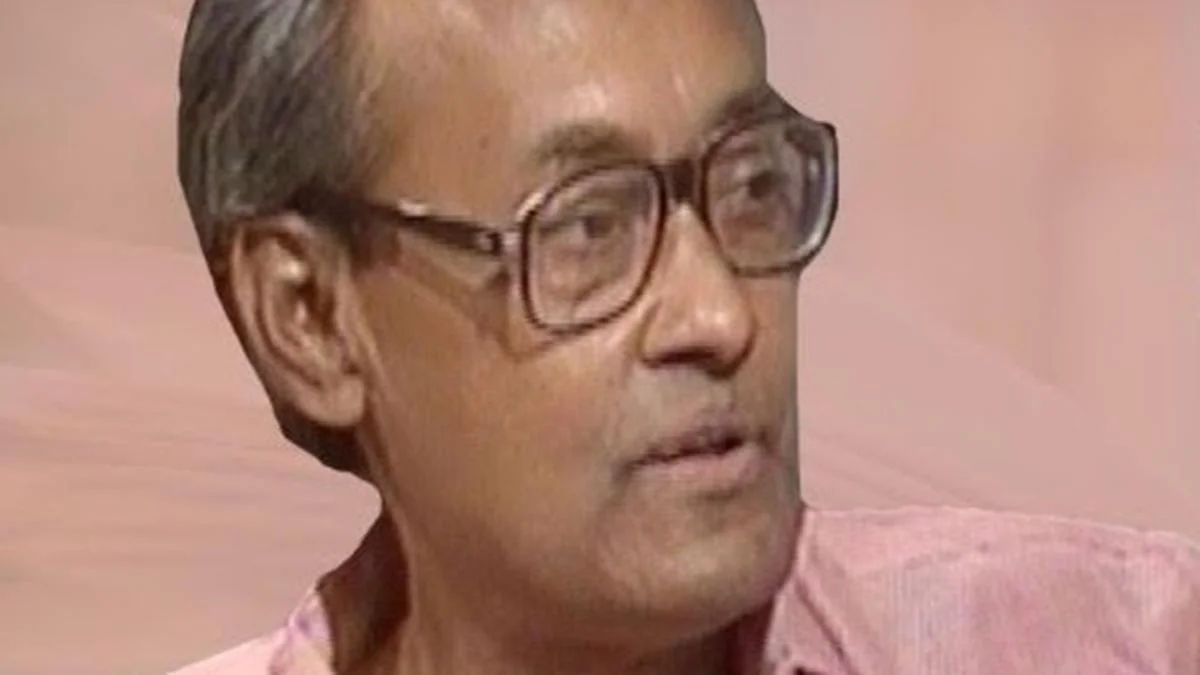
Legacy of a Scholarly Giant:
Sumit Sarkar, a towering figure in Indian historiography and a former professor at Delhi University, died on Thursday at the age of 87. He had been suffering from age-related health issues for several years before passing away in the national capital. Sarkar is most widely recognized for his seminal textbook, 'Modern India: 1885–1947', which has served as a foundational text for generations of history students across the country. His career spanned several decades of teaching and research, during which he redefined the study of the Indian national movement.
Contributions to Indian History:
Beyond his famous textbook, Sarkar authored several influential works including 'Swadeshi Movement in Bengal, 1903-1908' and 'Writing Social History'. He was a pioneer in shifting the historical focus from elite political narratives to the lives and struggles of common people, a methodology often associated with the Subaltern Studies collective. Sarkar taught at the University of Delhi from 1974 to 2004, where his lectures were famously described by students as 'musical' and deeply engaging. He frequently collaborated with his wife, Tanika Sarkar, herself a distinguished historian, on projects examining caste and gender in modern India.
Impact on Indian Academia:
The passing of Sumit Sarkar marks the end of an era for the Delhi School of Economics and the University of Delhi’s history department. His work influenced not only historians but also sociologists and political scientists studying the evolution of the Indian state. Academics across India have expressed their condolences, noting that his critical approach to the past helped shape a more inclusive understanding of the freedom struggle. For the average reader, Sarkar’s legacy lives on through his books, which continue to be essential reading for civil services aspirants and scholars alike.
Pulse Intelligence
Context & ImpactContext & Background
- Sumit Sarkar was part of a generation of historians who moved away from colonial narratives to establish a social-history perspective of India.
- He was a core member of the History department at Delhi University during its most influential years in the late 20th century.
Key Consequences
- Commemorative seminars and retrospective exhibitions of his work are likely to be organized by major Indian universities.
- His definitive texts will likely see renewed interest and reprints as scholars re-evaluate his contributions to social history.
Market & Economic Impact
No direct market impact.
The Indus Pulse is committed to accuracy and transparency.