
18 Aug 2026, 03:07 PM 2 min readworldevergreen
Uncovering The Hidden Depths Of Crater Lake
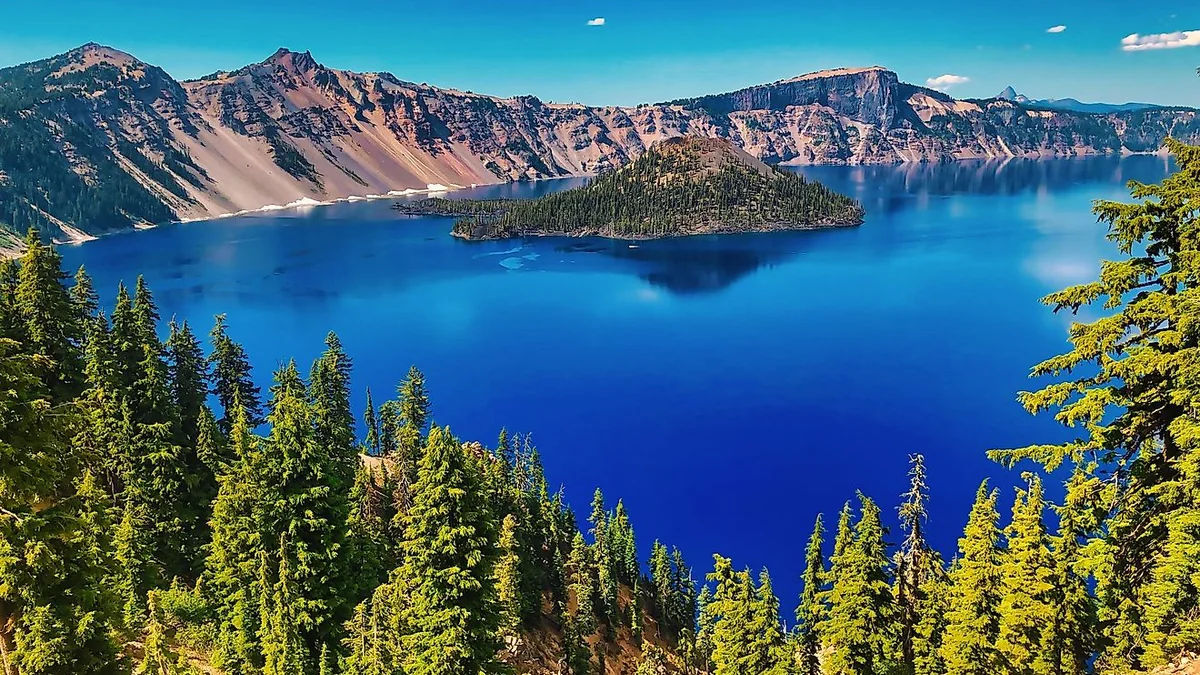
Geological Wonder:
Crater Lake remains a subject of intense scientific interest due to its unique formation and deep, isolated environment. At its depths, the lake hosts a complex ecosystem characterized by submerged volcanic cones, rugged landslide debris, and expansive lava plains. These features provide a rare window into the geological history of the region and the intense tectonic activity that originally created the caldera.
Hidden Ecosystem:
Beyond its physical landscape, the lake contains diverse hydrothermal systems, including active hot springs that support specific types of life. Scientists have identified specialized bacteria that thrive in the extreme, light-deprived conditions of the lake's bottom. These microorganisms offer crucial insights into life in high-pressure, low-energy environments, providing researchers with an understanding of how biological systems can adapt to extreme geological settings.
Continued Research:
The ongoing exploration of Crater Lake serves as a template for studying deep-water ecosystems worldwide. Its status as an isolated, high-purity water body allows for longitudinal studies on climate impacts and volcanic stability. As technology improves, scientists anticipate discovering further intricacies of the submerged landscape, deepening the academic and public understanding of this landmark natural feature and its long-term geological stability in the Pacific Northwest.
Pulse Intelligence
Context & ImpactContext & Background
- Crater Lake is the deepest lake in the United States, formed within the collapsed caldera of Mount Mazama.
- Scientific research has focused on the lake's water clarity and its unique underwater geological formations.
Key Consequences
- Future expeditions will continue to reveal more about the bacterial life thriving in the lake's depths.
- The lake remains a critical site for ongoing geological studies related to volcanic activity and climate change.
Market & Economic Impact
No direct market impact.
The Indus Pulse is committed to accuracy and transparency.