
August 4, 2026 at 09:04 AM 2 min readhealthanalysis
Gut Microbiome Modification Boosts Chemotherapy Response
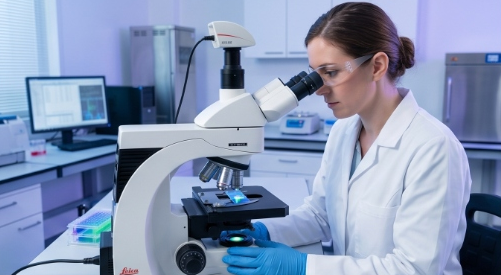
Microbiome Research:
Recent scientific studies published in medical journals demonstrate that reshaping the gut microbiome can significantly enhance the efficacy of chemotherapy. Researchers identified a transferable gut microbiota-bile acid pathway that programs nanomedicine pharmacokinetics and improves therapeutic tumor response.
Scientific Mechanism:
The interaction between gut bacteria and bile acids alters how therapeutic nanomedicines circulate and accumulate within tumor tissues. By modulating this microbial pathway, scientists aim to overcome drug resistance barriers commonly encountered during cancer treatment.
Clinical Significance:
This discovery opens new therapeutic avenues for optimizing cancer care through targeted microbiome interventions. Oncologists and clinical researchers are evaluating how these insights can be translated into practical patient protocols to improve treatment outcomes.
Pulse Intelligence
Context & ImpactContext & Background
- Previous research established a strong correlation between gut microbiome composition and patient responses to cancer immunotherapies.
- Nanomedicine delivery systems have increasingly focused on overcoming biological barriers within the human body.
Key Consequences
- Clinical trials may incorporate microbiome modulation strategies to test improved chemotherapy delivery methods.
- Healthcare providers could eventually utilize microbiome profiles to personalize cancer treatment regimens.
Market & Economic Impact
No direct market impact.
The Indus Pulse is committed to accuracy and transparency.