
Health Desk July 20, 2026 at 11:00 PM 2 min readhealthanalysis
Civil Society Outlines Priorities for 2026 UN HIV/AIDS Meeting
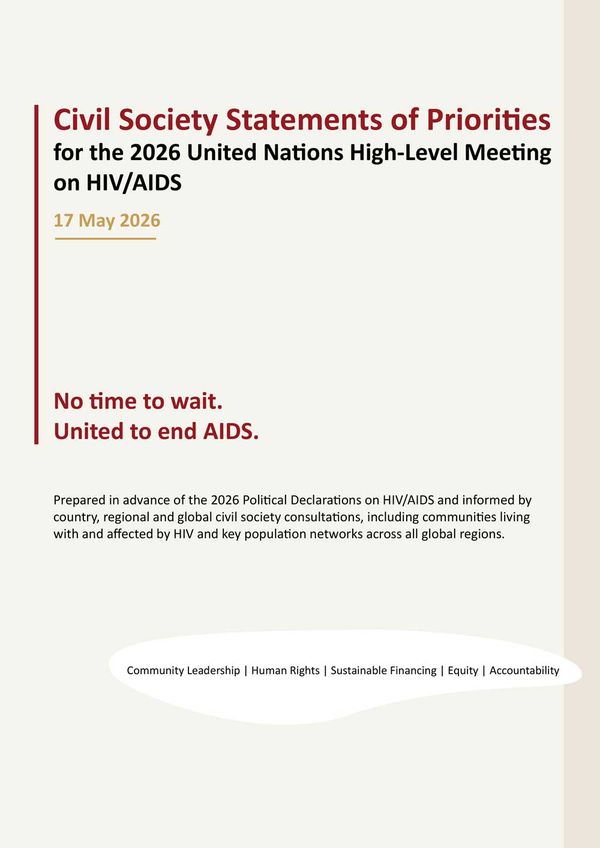
2026 HIV/AIDS Priorities:
Civil society organizations have collectively released a comprehensive statement outlining their core priorities for the upcoming 2026 United Nations High-Level Meeting on HIV/AIDS. These groups are pushing for a renewed focus on global health equity, systemic policy reform, and the removal of barriers that hinder access to lifesaving treatments and prevention services. Their agenda emphasizes the critical need for integrating HIV/AIDS programs into broader universal health coverage schemes as the world moves toward the 2030 Sustainable Development Goals.
Addressing Policy Gaps:
The movement for these priorities is rooted in the recognition that while significant progress has been made in antiretroviral therapy and awareness, key populations remain disproportionately affected by the virus. Civil society leaders argue that persistent social, legal, and structural inequalities continue to impede progress, necessitating more robust international commitments. The statements focus on evidence-based strategies that prioritize human rights, community-led initiatives, and sustainable funding structures to prevent future crises, following an assessment of the current state of global HIV responses.
Significance for Global Health:
This advocacy marks a pivotal effort to ensure that the voices of those most impacted are central to the UN’s policy-making process. By formalizing these demands ahead of the high-level meeting, civil society aims to hold member states accountable for achieving tangible, measurable outcomes. The impact of these discussions extends to countries like India, where continued investment in community-based HIV programs is essential for maintaining recent gains in transmission reduction and patient care. The collective call serves as a roadmap for stakeholders to address the remaining challenges before the next global review period concludes.
Pulse Intelligence
Context & ImpactContext & Background
- The United Nations periodically holds high-level meetings to review global progress and set new targets for the HIV/AIDS response.
- Community-led organizations have long been the backbone of local HIV/AIDS prevention and treatment efforts globally.
Key Consequences
- Global policymakers will face increased pressure to include civil society input in the final draft of the UN declaration.
- Increased focus on community-led funding models may lead to redirected resources for local health NGOs.
Market & Economic Impact
No direct market impact.