
August 9, 2026 at 03:01 AM 2 min readhealthAI Insights
Government Launches National Digital Health Mission 2.0 Pilot Across States
The updated digital health framework aims to integrate electronic health records and expand telemedicine services across select states.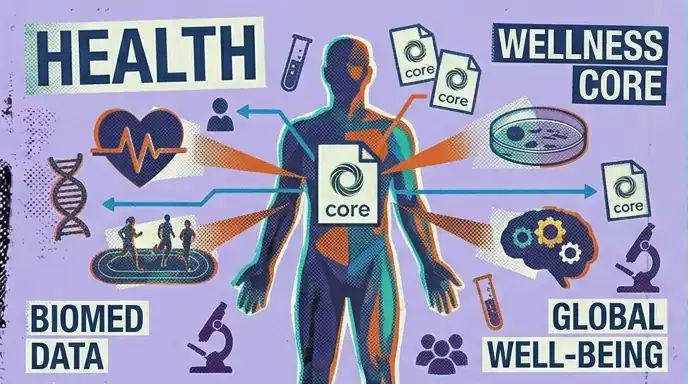
[Pilot Phase Rollout]
The Indian government has reportedly initiated a pilot phase for the National Digital Health Mission 2.0 in select states, aiming to create a comprehensive and unified digital health ecosystem. As per official announcements, this updated version focuses on seamlessly integrating electronic health records across both public and private healthcare providers. The pilot seeks to facilitate instant, secure access to medical information for patients and attending physicians across participating clinical networks.
[Technology and Interoperability Goals]
The mission is engineered to improve healthcare delivery efficiency, enhance data security protocols, and promote widespread telemedicine services, especially for patients residing in remote areas. The ongoing pilot will rigorously assess the interoperability of various digital health platforms and gather critical feedback from medical stakeholders to refine the architecture before a nationwide rollout. This technological framework is expected to streamline patient histories and eliminate administrative redundancies in clinical settings.
[Long-Term Healthcare Transformation]
By standardizing digital records, the initiative will enable more data-driven health policy decisions and targeted public health interventions by the end of FY27. Healthcare providers and technology vendors must adapt their systems to comply with the unified digital standards being tested during this phase. Patients and practitioners should prepare for enhanced digital connectivity as regional health authorities expand the pilot scope in coming months.
Pulse Intelligence
Context & ImpactContext & Background
- The initial phase of the digital health mission laid foundational identification frameworks for patients nationwide.
- Healthcare providers have increasingly adopted digital record-keeping systems to improve patient workflow management.
- Remote telemedicine adoption surged across rural sectors, prompting demand for centralized interoperability standards.
Key Consequences
- Electronic health records will become standardized across participating public and private healthcare networks.
- Telemedicine services will expand significantly into remote regions through integrated digital platforms.
- Data-driven health policy formulation will improve through centralized medical information aggregation.
Market & Economic Impact
Not applicable.
The Indus Pulse is committed to accuracy and transparency.