
July 27, 2026 at 03:07 PM 2 min readindiaanalysis
Government Declines E20 Petrol Vehicle Compliance Assessment
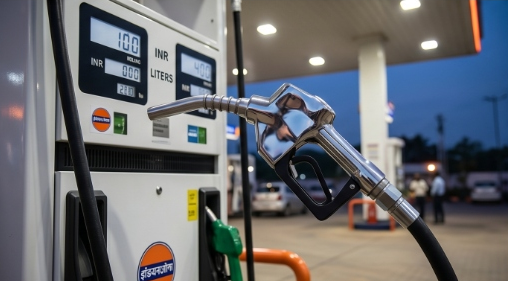
Assessment Gap in E20 Adoption:
The Union government has confirmed that it has not conducted any formal assessment regarding the percentage of vehicles currently fully compliant with E20 petrol, which consists of 20% ethanol blended with gasoline. This disclosure, made in the Rajya Sabha, underscores a lack of definitive data on the penetration of flex-fuel-compatible engines in the domestic automotive fleet despite ongoing national efforts to push for higher biofuel blending.
Policy Drivers and Challenges:
The shift toward ethanol blending is a cornerstone of India's energy transition strategy, aimed at reducing the nation's significant oil import bill and achieving climate goals. While the government has mandated the widespread availability of E20 fuel, concerns persist regarding the long-term impact of high ethanol concentrations on fuel efficiency and engine longevity. Industry stakeholders have frequently pointed to a potential drop in fuel economy, which remains a primary barrier for consumer acceptance of these cleaner-burning fuels.
Future Outlook and Implications:
The absence of comprehensive compliance metrics complicates the government's target of achieving 20% ethanol blending nationwide by 2025-2026. Without granular data, policymakers face challenges in evaluating whether vehicle manufacturers are adequately upgrading engine components to withstand the corrosive nature of higher ethanol concentrations. Investors and automotive analysts will likely keep a close watch on how the Ministry of Petroleum and Natural Gas addresses these technical hurdles as the deadline for the E20 rollout approaches.
Pulse Intelligence
Context & ImpactContext & Background
- The Indian government has been actively incentivizing ethanol production to lower dependence on imported crude oil.
- The national E20 rollout target has been a major priority for the Ministry of Petroleum and Natural Gas, aiming to reduce vehicular emissions.
Key Consequences
- Consumers may continue to face uncertainty regarding engine performance and fuel efficiency in E20-compliant vehicles.
- Automakers might increase investments in R&D to optimize engine hardware for high-ethanol fuel compatibility.
- Policy adjustments could follow if the lack of compliance data hinders the achievement of national blending targets.
Market & Economic Impact
No direct market impact on major indices, though automotive OEMs may face sustained pressure regarding fuel efficiency standards.
The Indus Pulse is committed to accuracy and transparency.