
July 29, 2026 at 11:34 AM 2 min readautoanalysis
Government Clarifies E20 Petrol Readiness Amid Fuel Concerns
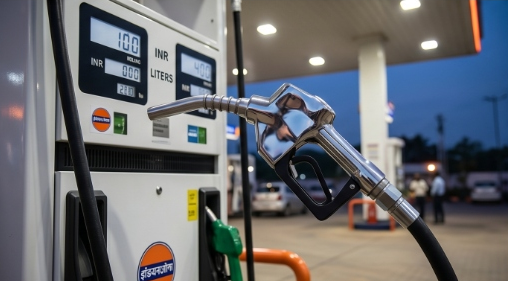
Government Position on E20:
The Indian government continues to navigate the transition to E20 fuel as public and industry concerns regarding vehicle mileage and engine health persist. Union Minister Nitin Gadkari recently addressed these concerns, emphasizing that the shift is part of a broader environmental strategy to reduce oil import dependency. Despite the push for 20% ethanol blending, officials clarified that no comprehensive assessment has been conducted to determine the exact percentage of the total existing vehicle fleet that is fully compatible with E20 fuel without requiring technical adjustments.
Technical Implications for Vehicles:
Automotive experts have noted that while newer models are designed for higher ethanol blends, older vehicles, particularly those manufactured under BS-III norms, may experience accelerated wear on rubber components. This has led to recommendations for proactive maintenance, including the potential replacement of fuel lines and seals to prevent leaks or system degradation. The lack of standardized data regarding the impact on legacy vehicles remains a primary source of anxiety for many Indian car owners, leading to calls for clearer communication and support from major automotive manufacturers.
Future Roadmap and Flex-Fuel:
The central government has signaled that the current E20 roadmap is merely a foundation for more ambitious energy objectives, including the promotion of flex-fuel vehicles. These initiatives aim to diversify India's energy mix and offer consumers long-term protection against volatility in international crude oil prices. As the country advances toward higher ethanol blends, both the automotive industry and the government must prioritize transparency to maintain consumer confidence and ensure that the transition to sustainable fuels does not impose undue financial burdens on vehicle owners.
Pulse Intelligence
Context & ImpactContext & Background
- India launched the E20 ethanol-blending program to lower its massive crude oil import bill and meet sustainability goals.
- Ethanol usage in Indian fuel has increased in stages, moving from lower percentages toward the current 20% target.
Key Consequences
- Vehicle owners of older models may face increased maintenance costs to replace fuel-system components.
- Automakers will likely accelerate the production of flex-fuel-compatible engines to align with government energy roadmaps.
Market & Economic Impact
This policy pivot impacts long-term profitability for major Indian automotive manufacturers and oil marketing companies.
The Indus Pulse is committed to accuracy and transparency.