
India Desk July 19, 2026 at 11:02 PM 2 min readindiadeveloping
India Launches Semiconductor Mission 2.0 with Rs 1.27 Lakh Crore Outlay
Strategic Financial Outlay:
The Union Cabinet has officially approved the India Semiconductor Mission (ISM) 2.0, backed by a massive budget of Rs 1.27 lakh crore. This policy marks a strategic evolution from the first phase, removing subsidies for land acquisition and technology transfer costs to improve transparency. Instead, state governments will now manage land and infrastructure incentives to encourage local development. Silicon fabrication units will receive a 40% subsidy under the new framework, with even more aggressive incentives of up to 75% available for research and development activities focused on smaller, cutting-edge node sizes.
Focus on Ecosystem and Design:
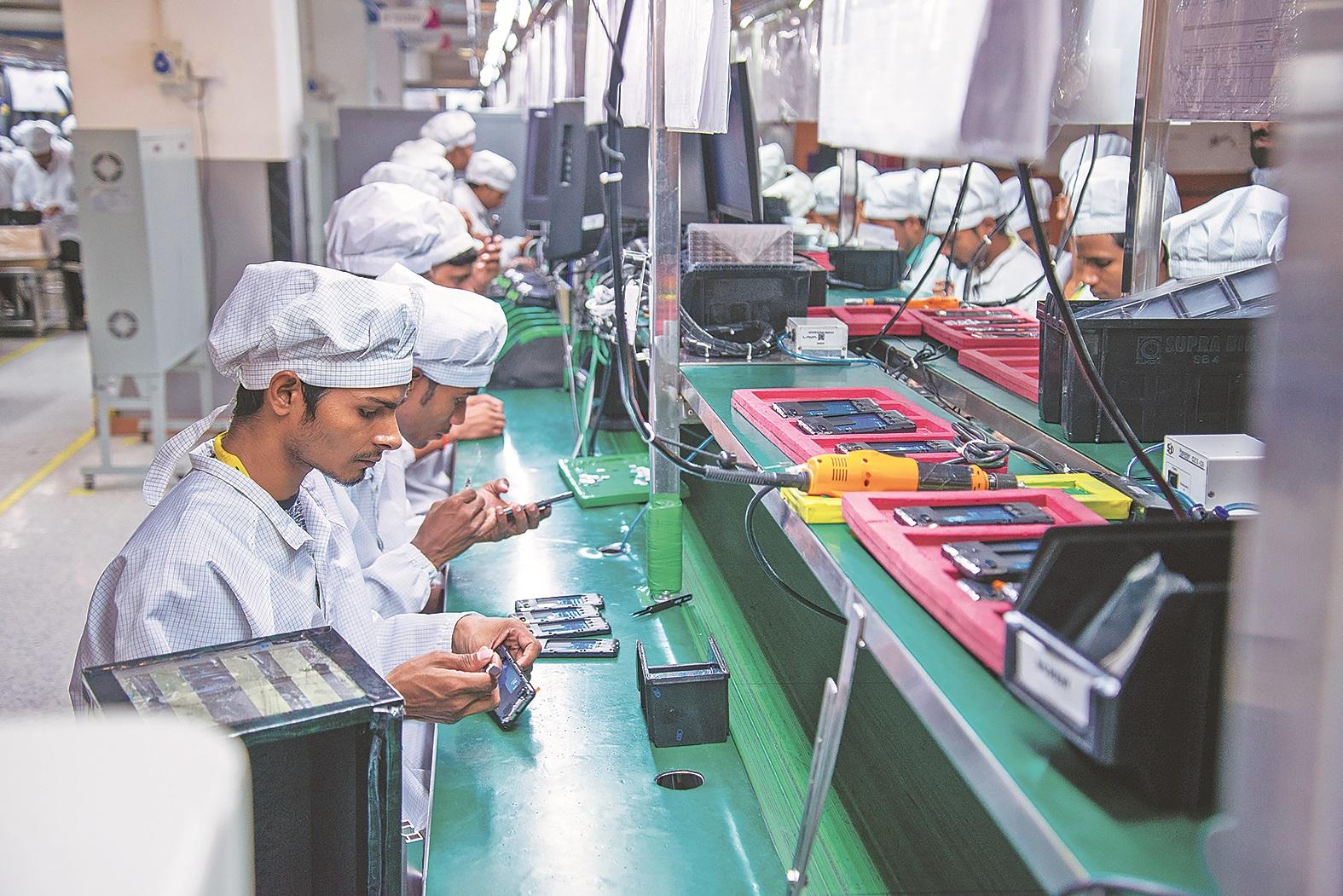
The updated policy prioritizes chip design, followed by supply chain infrastructure and manufacturing. Unlike the initial phase, which offered uniform 50% capital expenditure subsidies for all fabs, ISM 2.0 uses a tiered structure to ensure high-value sectors receive targeted support. By integrating chip production with the ongoing Mobile Phone Manufacturing Scheme, the government aims to move up the value chain. This shift reflects a deeper focus on developing local talent and R&D capabilities, moving beyond basic assembly to secure the nation's broader electronics ecosystem.
Future Goals and Impact:
India has set a target to become self-sufficient in chip design and manufacturing for 70-75% of domestic applications by 2029. By 2035, the country aims to establish itself as a premier global semiconductor hub, reducing its reliance on imports for vital household and defense electronics. As the nation mitigates the risks of global geopolitical volatility, the success of these incentives will rely on attracting consistent foreign direct investment and maintaining the momentum of infrastructure construction to meet rising domestic silicon demand.
Pulse Intelligence
Context & ImpactContext & Background
- The first phase of the India Semiconductor Mission successfully attracted 12 plants, including a key fabrication facility currently being developed by the Tata Group in Gujarat.
- The government previously launched the Mobile Phone Manufacturing Scheme to boost local electronics assembly, which is now being integrated with semiconductor policy goals.
- Geopolitical instability has elevated domestic semiconductor production to a top-tier national security and economic priority for the Indian government.
Key Consequences
- State governments will face heightened pressure to craft competitive land and infrastructure incentive packages to secure local chip plant investments.
- Private equity and venture capital firms are expected to increase their focus on Indian semiconductor startups as the government prioritizes design-led grants.
- The program is projected to attract significant foreign direct investment as global firms seek to diversify their supply chains away from current manufacturing hubs.
Market & Economic Impact
The policy is expected to drive long-term growth for Indian electronics manufacturing and semiconductor stocks listed on the Nifty index.