
August 6, 2026 at 01:50 AM 2 min readaibreaking
Google Restructures AI Leadership as DeepMind CEO Shifts Role
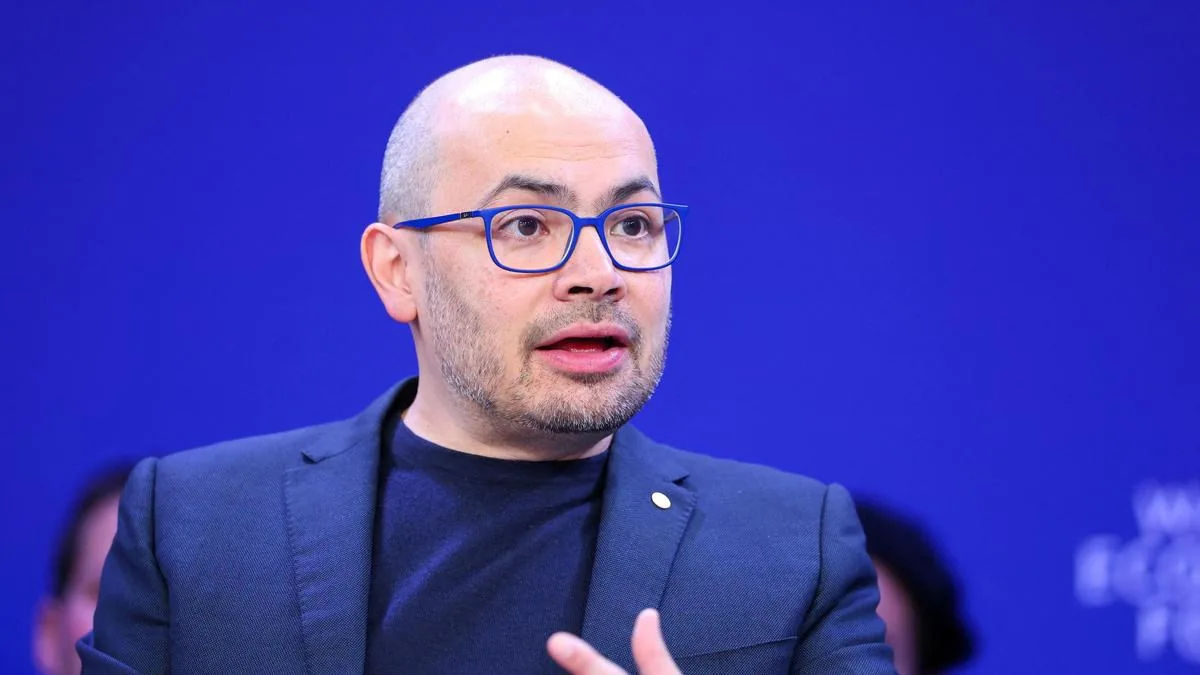
Google has initiated a significant restructuring of its artificial intelligence division, marked by a major shift in the role of DeepMind Chief Executive Demis Hassabis. This move coincides with reports that the tech giant is exploring a $1.5 billion investment in an AI coding startup to strengthen its development ecosystem. Hassabis, a pivotal figure in the global AI landscape, will transition to a new strategic capacity within the company. These internal changes occur as the firm battles a perceived brain drain, with high-profile veterans like Jeff Dean also reportedly nearing an exit from the organization.
The leadership transition reflects Google's attempt to streamline its AI operations and accelerate the commercialization of its research. DeepMind and Google's Brain team merged last year to form a unified unit, yet internal friction and slow product deployment have remained challenges. By shifting Hassabis into a different role, the company aims to better integrate advanced machine learning models into its primary search and cloud products. The potential investment in a coding startup suggests a strategic focus on automating software development, a key frontier in the current generative AI race against competitors like OpenAI.
The reshuffle at Google's global headquarters will directly influence the AI tools and APIs available to the Indian developer community. India serves as a critical hub for Google's software engineering and AI testing, and a shift toward automated coding tools could significantly alter the local IT services landscape. Indian enterprises increasingly rely on Google's Gemini models for localized language applications and digital public infrastructure. As leadership priorities change, the focus on practical, industry-specific AI solutions is expected to intensify, providing new frameworks for Indian startups to build specialized applications on Google’s foundation.
Pulse Intelligence
Context & ImpactContext & Background
- Google merged its Brain and DeepMind units in 2023 to create Google DeepMind, aiming to compete more effectively with Microsoft-backed OpenAI.
- The company has faced criticism for a slow response to the generative AI boom despite inventing many of the core technologies behind modern LLMs.
Key Consequences
- A more centralized AI strategy could lead to faster integration of Gemini models into consumer products like Android and Workspace.
- The $1.5 billion investment in coding AI could disrupt traditional software development roles in major global outsourcing hubs like India.
Market & Economic Impact
Alphabet shares may see volatility as investors assess whether this leadership change will help Google regain its lead in the AI sector.
The Indus Pulse is committed to accuracy and transparency.