
August 15, 2026 at 09:06 AM 2 min readtechanalysis
India Workforce Less Exposed to AI Job Risks
Goldman Sachs Employment Analysis:
Goldman Sachs economists report that India's workforce remains significantly less exposed to artificial intelligence job displacement compared to global peers. Construction and retail trade account for approximately forty percent of total domestic employment and face minimal direct impact from current artificial intelligence automation.
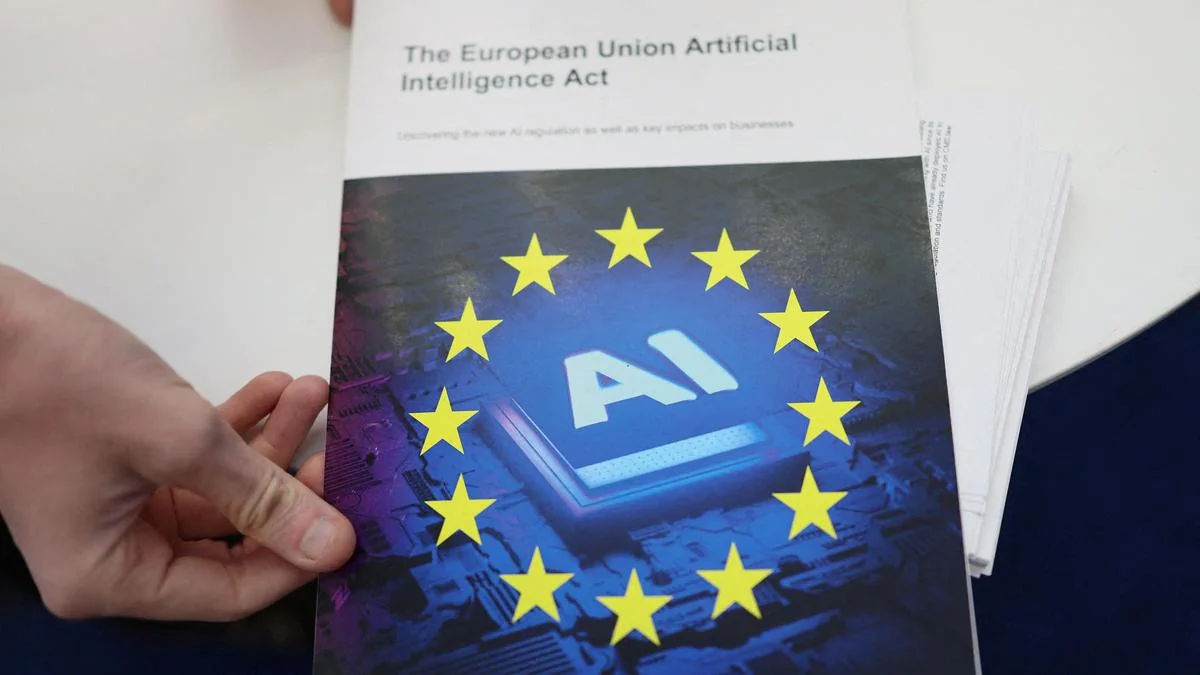
European Union AI Regulation Impact:
Observers note that stringent compliance frameworks under the European Union Artificial Intelligence Act could create new commercial opportunities for Indian firms. India is well-positioned to build a specialized professional services industry around regulatory paperwork, proof requirements, and compliance verification.
Economic Resilience Factors:
The structure of India's labor market provides a natural buffer against rapid technological displacement. Policy experts emphasize that targeted upskilling in regulatory compliance and digital services will allow Indian enterprises to capture high-value global consulting contracts.
Pulse Intelligence
Context & ImpactContext & Background
- Global financial institutions have continuously monitored how generative artificial intelligence alters white-collar and blue-collar labor demand worldwide.
- The European Union finalized comprehensive regulatory frameworks to govern high-risk artificial intelligence applications and data processing.
Key Consequences
- Indian IT and professional services firms may establish dedicated business units to handle European regulatory compliance proofs.
- Domestic employment stability benefits from high workforce concentrations in non-automated sectors like retail and construction.
Market & Economic Impact
Indian IT service providers could see expanded consulting revenues as global enterprises navigate complex European artificial intelligence compliance rules.
The Indus Pulse is committed to accuracy and transparency.