
August 14, 2026 at 05:00 AM 2 min readmarketsFinancial InsightMarket Pulse
Gold and Silver Prices Retreat as Global Geopolitical Tensions and Fed Policy Uncertainty Weigh
Gold drops 0.81% to ₹15365/g while silver falls 1.92% to ₹255000/kg amid global economic uncertainty.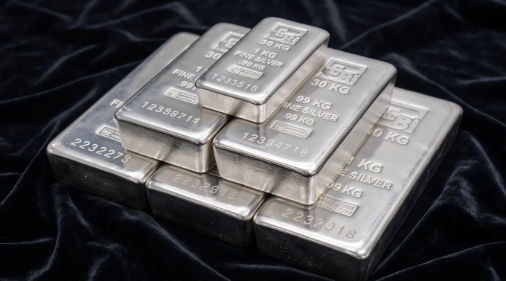
[Market & Sector Overview]:
Precious metals are facing significant downward pressure in the current session, with gold and silver prices retreating from recent highs. As of August 13, 2026, the 24K gold rate from Jos Alukkas stands at ₹15365/g (with 22K at ₹14080/g and 18K at ₹11520/g), reflecting a decline of ₹125/g or -0.81%. Silver is trading at ₹255.0/g, which translates to ₹255000.0/kg, marking a substantial drop of ₹5000.00/kg or -1.92% compared to the previous session.
[Global Cues & Macro Dynamics]:
International spot gold prices have pulled back to $4,315.16 USD/t.oz, a 0.79% decrease, while silver (XAG/USD) is trading near $63.80, down 1%. The US Dollar Index (DXY) has softened to 99.8968, yet the broader 2026 uptrend remains intact. While lower real US Treasury yields, with the 10-year yield at 4.66%, typically provide a floor for gold, the market is currently preoccupied with the Federal Reserve's interest rate trajectory, where a September rate hike is priced at approximately 35%.
[Domestic Drivers & Corporate Highlights]:
In India, domestic prices are tracking international trends, with MCX gold October futures down 0.75% at ₹1.52 lakh per 10 grams and silver September futures dropping over 1% to ₹2.32 lakh per kilogram. Despite the price dip, physical demand remains robust as the country prepares for the upcoming Diwali festival and wedding season, with imports projected to exceed 120 tonnes this month.
Pulse Intelligence
Context & ImpactContext & Background
- Gold prices reached a peak of $4,500 per ounce twice in August 2026 before facing a technical pullback.
- Central banks globally have maintained a record pace of gold accumulation, purchasing nearly 1,000 tonnes annually over the last four years.
- The US Federal Reserve's interest rate path has remained a primary driver of volatility, with market expectations for a September hike shifting from 55% to 35% in one week.
Key Consequences
- Continued price volatility in the bullion market may lead to a temporary slowdown in retail jewelry purchases until price stabilization occurs.
- If gold prices sustain a decline below key support levels, institutional investors may increase their allocation to alternative safe-haven assets.
- Persistent high oil prices driven by geopolitical tensions could force central banks to maintain higher interest rates for longer, further pressuring non-yielding precious metals.
Market & Economic Impact
The decline in precious metals reflects a broader risk-off sentiment that could influence domestic retail investment flows into gold ETFs and physical bullion.
The Indus Pulse is committed to accuracy and transparency.