
August 10, 2026 at 05:01 AM 2 min readmarketsFinancial InsightAI Insights
Gold Prices Ease Amid Profit-Trying As Festive Demand Builds In India
Gold prices retreat to ₹15201 per gram for 24K and ₹13930 for 22K while silver holds steady at ₹250000 per kg amid global profit-taking.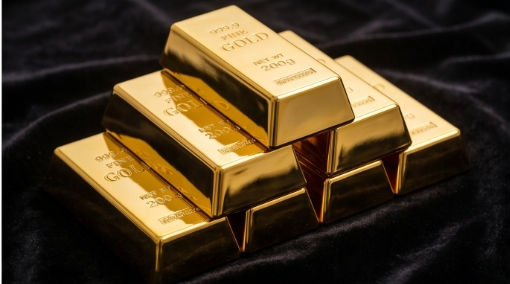
[Market & Sector Overview]:
Gold prices in India witnessed a marginal correction today, with 24K gold trading at ₹15201 per gram and 22K gold trading at ₹13930 per gram, reflecting a 24K decline of ₹39 or 0.26% from the previous session. Silver prices remained stagnant at ₹250000 per kilogram with no change from the previous day. The domestic bullion market is balancing global price pressures with the anticipation of a massive surge in physical demand as the festive and wedding season approaches in October.
[Global Cues & Macro Dynamics]:
International gold prices on COMEX retreated to $4,325.41 per troy ounce, a 0.41% dip, as investors locked in profits following a seven-week high. The U.S. Dollar Index (DXY) strengthened slightly to 99.7146, exerting downward pressure on dollar-denominated commodities. Meanwhile, the Federal Reserve's rate hike expectations for September have cooled to 44%, providing a long-term floor for gold prices as real yields remain sensitive to labor market data.
[Domestic Drivers & Corporate Highlights]:
The USD/INR exchange rate climbed to 95.2180, increasing the cost of gold imports and keeping domestic prices elevated despite the global dip. Retail investment remains robust, with Indian gold funds adding 4 tonnes in Q2 2026, defying global trends. Jewelers are aggressively restocking, with projections suggesting imports could exceed 120 tonnes in August to meet the anticipated festive rush.
[Market Outlook & Investor Strategy]:
While short-term volatility persists due to profit-taking, the structural outlook for gold remains bullish driven by central bank accumulation and geopolitical hedging. Investors should monitor the 95.00 level on the USD/INR pair as a key indicator for import costs. Long-term investors are advised to utilize price dips to accumulate, given the record-breaking spending trends observed in the Indian jewelry market this year.
Pulse Intelligence
Context & ImpactContext & Background
- Central banks have consistently increased gold reserves by an average of 1,000 tonnes annually over the last four years to hedge against inflation and de-dollarization.
- The U.S. labor market experienced a sharp contraction in July, which significantly lowered market expectations for aggressive Federal Reserve interest rate hikes.
- Indian gold consumption in Q2 2026 saw a 6% volume decline due to high prices, yet total expenditure reached a record ₹1.98 lakh crore, highlighting resilient consumer spending.
Key Consequences
- A sustained rise in the USD/INR exchange rate will likely keep domestic gold prices elevated, potentially dampening retail volume growth during the upcoming Diwali season.
- Increased industrial demand for silver, particularly from the photovoltaic and electronics sectors, is expected to provide a price floor even if retail investment demand fluctuates.
- Continued central bank gold accumulation will likely provide a strategic buffer against global macroeconomic instability, supporting long-term price appreciation.
Market & Economic Impact
The resilience of Indian gold demand despite high prices suggests a strong inflationary hedge among domestic consumers, impacting liquidity in other asset classes.
The Indus Pulse is committed to accuracy and transparency.