
Markets Desk July 18, 2026 at 03:00 AM 2 min readmarketsanalysis
Global Oil Crisis Looming: Why Fuel Prices Could Skyrocket
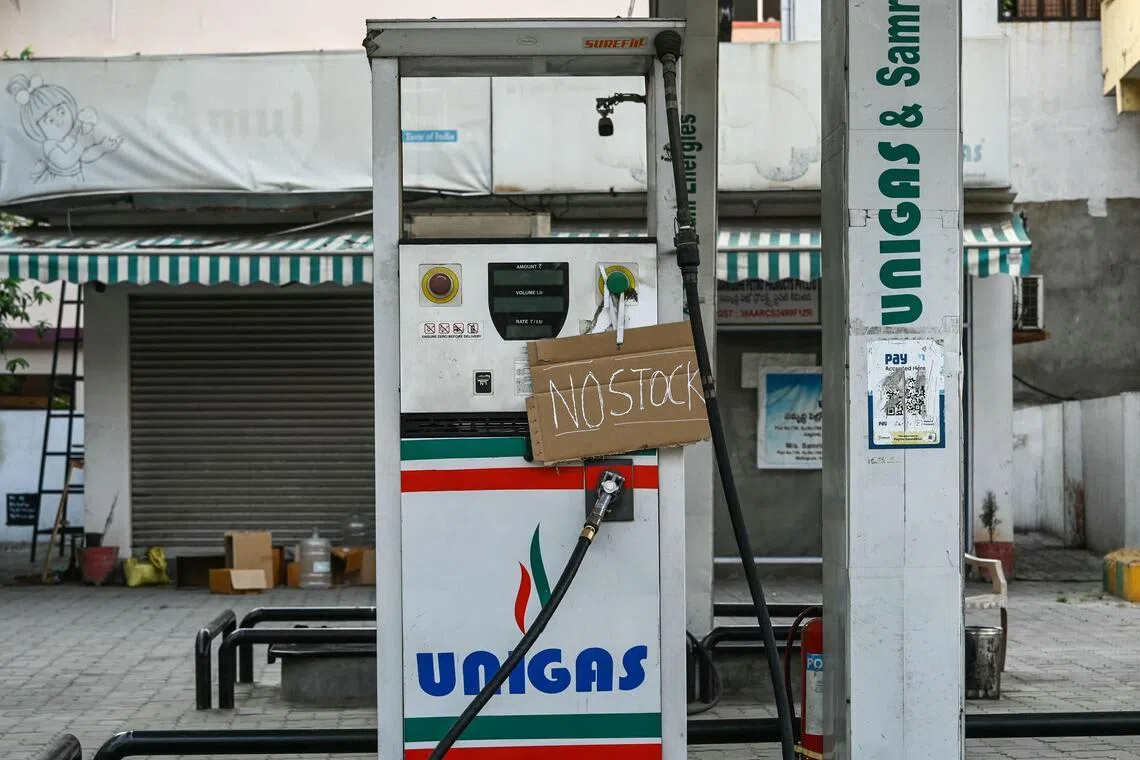
Fragile Energy Security:
Global energy analysts are warning that the world is currently less prepared to cope with a major oil supply shock than at any point in the last decade. While fuel prices have remained relatively stable in recent years despite regional conflicts, a combination of low global strategic reserves and shifting trade alliances has created a 'perfect storm.' Experts suggest that any prolonged disruption in the Middle East will almost certainly lead to a dramatic and rapid increase in the cost of petrol and diesel at the pump.
US-Iran Geopolitical Friction:
The primary driver of this potential oil crunch is the escalating tension between the United States and Iran. Unlike previous diplomatic standoffs, the current friction threatens the Strait of Hormuz, a critical maritime chokepoint through which nearly a fifth of the world's oil supply passes. The erosion of international buffers and the lack of a coordinated global response plan mean that a single military miscalculation in the region could trigger an immediate supply shortage, sending Brent crude prices into triple-digit territory.
Critical Impact on India:
For the Indian economy, which imports over 85% of its crude oil requirements, this scenario presents an existential threat to fiscal stability. A sudden spike in oil prices would lead to a surge in domestic inflation, higher transportation costs for essential goods, and a significant weakening of the Indian Rupee against the US Dollar. The Indian government may be forced to choose between increasing fiscal subsidies to protect consumers or allowing prices to rise, which could dampen the post-2025 economic recovery.
Pulse Intelligence
Context & ImpactContext & Background
- Global oil markets have historically been shielded from extreme volatility by Saudi Arabia's spare capacity, which is currently being utilized more heavily.
- India has been diversifying its oil imports, including increased purchases from Russia, to mitigate Middle Eastern supply risks.
Key Consequences
- The Reserve Bank of India may need to reconsider interest rate cuts if imported inflation from fuel prices begins to climb.
- Investment in alternative energy and electric vehicle (EV) infrastructure in India is likely to see an accelerated policy push.
Market & Economic Impact
Oil marketing companies like BPCL and IOC may face margin pressure, while the Sensex could experience volatility in the energy and logistics sectors.