
August 2, 2026 at 04:49 AM 2 min readaianalysis
Global AI Infrastructure Expands Beyond Hyperscalers as Demand Surges
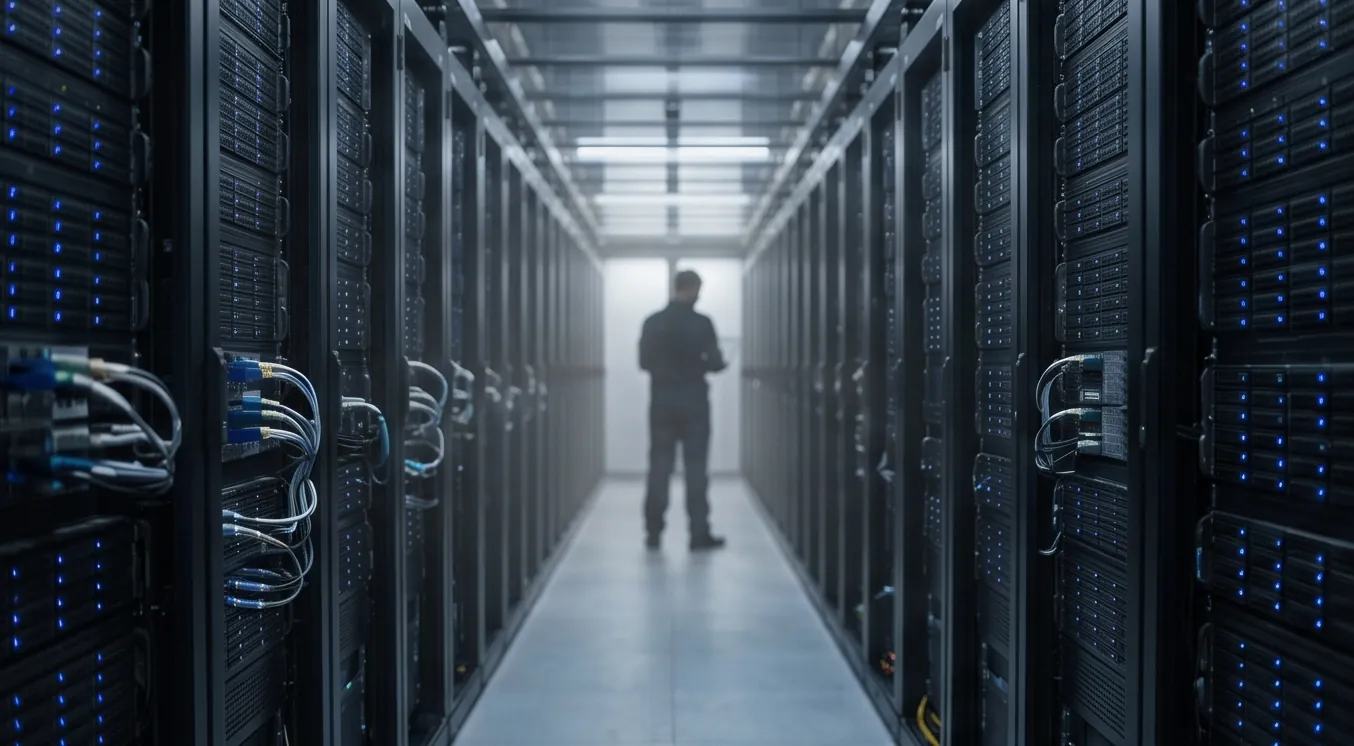
Goldman Sachs Infrastructure Report:
A recent report by Goldman Sachs indicates that artificial intelligence infrastructure investment continued to broaden significantly in July 2026. While large technology companies, or hyperscalers, dominated earlier spending cycles, enterprise adoption and sovereign AI initiatives are now driving growth. This expansion reflects a widening ecosystem where governments and private corporations are investing in their own computing power. The shift suggests that AI is moving from a centralized tech-giant experiment to a foundational utility for global economies and varied industries.
Geopolitical Tech Friction:
Simultaneously, advances in technology from China are creating a sense of urgency and competition from Silicon Valley to the White House. New AI models and advanced robotic systems are unsettling global markets, forcing traditional tech leaders to accelerate their development cycles. In the United States, the industry has seen a rise in open letters and collaborative efforts to pace the frontier of AI development. These efforts are often viewed as a reaction to the rapid progress made by international competitors in specialized computer chips and deep learning algorithms.
Sovereign AI in India:
The shift toward sovereign AI has profound implications for India as the country seeks to build its own digital sovereignty. The Indian government has been vocal about domesticating AI capabilities to ensure data privacy and national security. This broadening demand is encouraging local cloud providers to expand their data center capacities. As the global AI ecosystem matures, India’s role as both a consumer and a potential hub for AI research continues to grow, making it a critical player in the next phase of global infrastructure rollout.
Pulse Intelligence
Context & ImpactContext & Background
- AI investment was previously concentrated among the 'Magnificent Seven' tech giants, but market fatigue has led investors to look for broader adoption signs.
- The U.S. and China are currently locked in a technological race for supremacy in semiconductor design and artificial intelligence.
Key Consequences
- Sovereign nations will likely increase subsidies for domestic chip production and data center construction.
- Enterprises may face higher costs for AI talent as demand for implementation experts outpaces supply.
Market & Economic Impact
The broadening of AI spending supports long-term growth for semiconductor manufacturers and global infrastructure providers, impacting Nifty IT stocks.
The Indus Pulse is committed to accuracy and transparency.