
August 10, 2026 at 04:22 PM 2 min readmarketsanalysis
Geopolitics Drive Push For Edible Oil Self Sufficiency
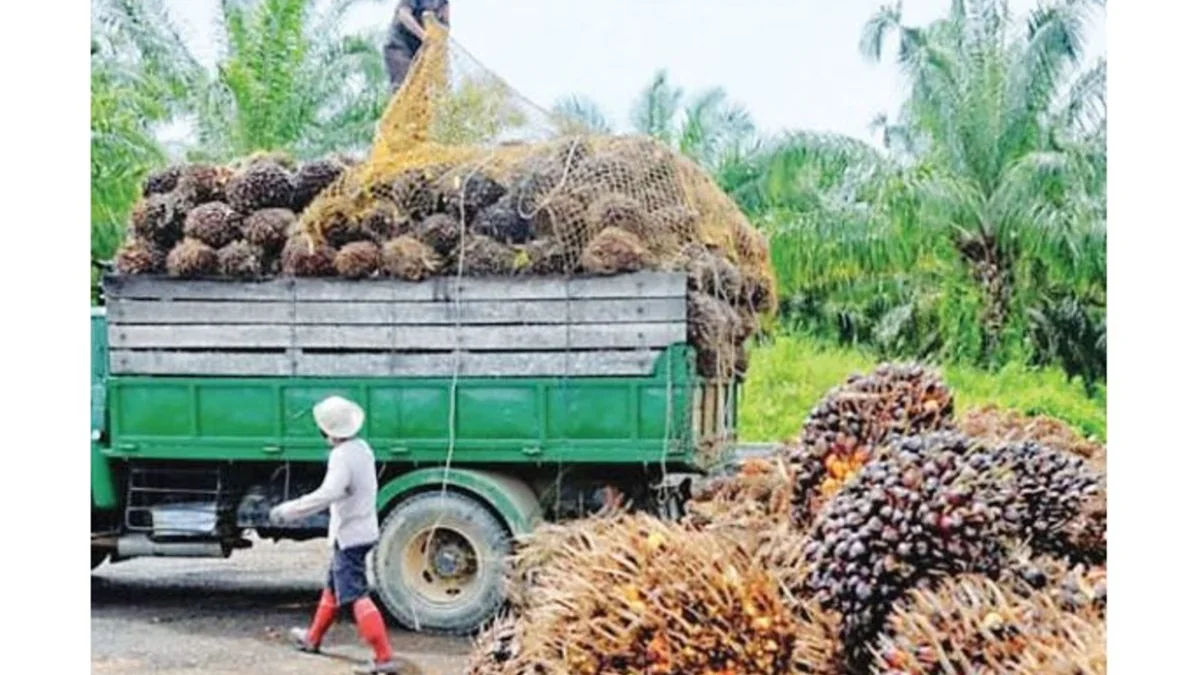
Edible Oil Push:
Nations worldwide are accelerating domestic production initiatives to achieve edible oil self-sufficiency amidst mounting geopolitical tensions. Governments seek to insulate local markets from global supply chain disruptions and volatile commodity price shocks.
Self-Reliance Shift:
The strategic pivot reflects a broader international trend toward economic nationalism and import substitution. Policymakers are incentivizing domestic agricultural output to reduce reliance on external suppliers for essential food staples.
Economic Implications:
Strengthening domestic agricultural sectors protects consumers from imported inflation while securing food security frameworks. For developing nations like India, which imports significant portions of its edible oil requirements, such global shifts underscore the urgency of domestic mission-mode agricultural expansions.
Pulse Intelligence
Context & ImpactContext & Background
- Global edible oil markets have experienced severe supply disruptions driven by geopolitical conflicts and export restrictions.
- Many emerging economies rely heavily on imported palm, soybean, and sunflower oils to meet domestic consumption needs.
Key Consequences
- Governments will likely implement increased subsidies and tariff protections to bolster domestic oilseed farming.
- International commodity trade routes for edible oils face structural adjustments as countries prioritize domestic stockpiles.
Market & Economic Impact
Domestic agricultural input firms and oilseed processors may see increased investor focus amid national self-reliance drives.
The Indus Pulse is committed to accuracy and transparency.