
18 Aug 2026, 12:50 PM 2 min readworlddeveloping
Minor Geomagnetic Storm Alert Issued Following Solar Eruption
Solar Activity and CME Arrival:
The National Oceanic and Atmospheric Administration and the Space Weather Prediction Center have issued a G1-class geomagnetic storm alert. Expected to reach Earth on August 17-18, 2026, the event follows a massive magnetic filament eruption on the Sun's surface on August 14. This eruption released a dense cloud of plasma, superheated hydrogen, and helium ions traveling through space. While a G1 classification is the lowest on the geomagnetic scale, it indicates a minor disturbance in the planet's upper magnetosphere.
Geomagnetic Disturbance Mechanics:
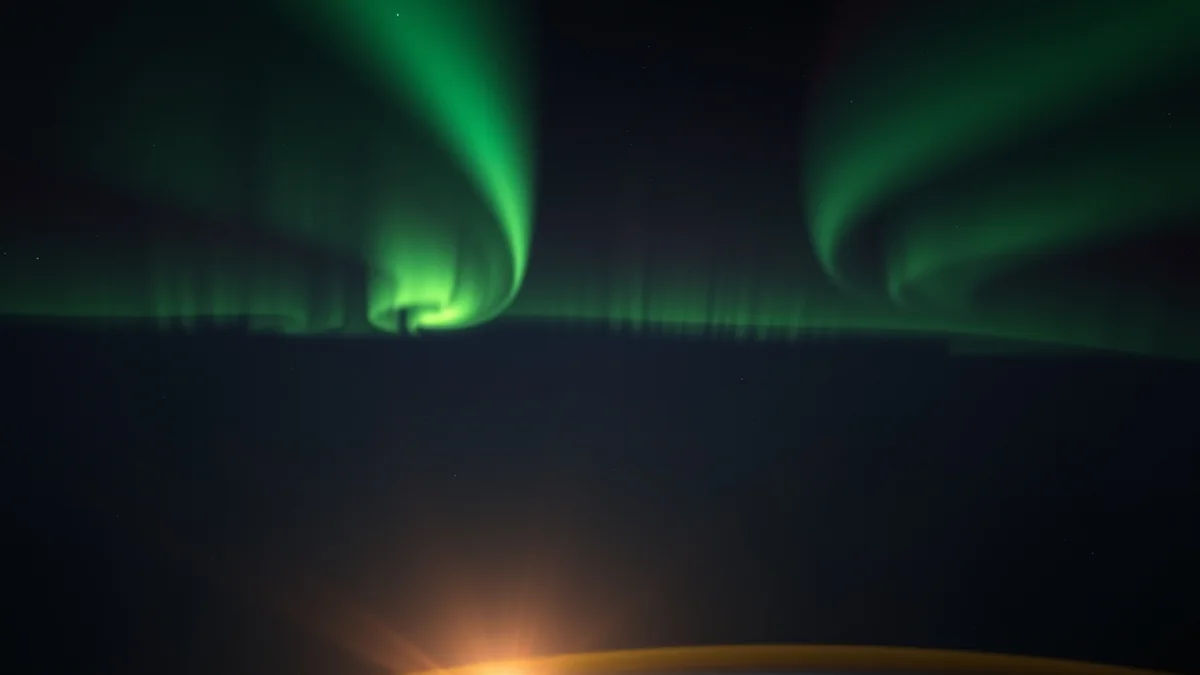
Scientists characterize this incoming solar material as a "glancing blow" rather than a direct hit to Earth’s magnetic field. As these particles interact with the magnetosphere, they may cause temporary fluctuations in power grids and minor disruptions in high-altitude satellite operations. Observers in northern latitudes, particularly in Scandinavia, Canada, and parts of the northern United States, can expect enhanced auroral displays. The event provides researchers with critical data regarding solar health during the current peak of the 11-year solar cycle.
Global Impact and Outlook:
While global infrastructure remains largely secure, the Indian Space Research Organisation (ISRO) is monitoring local satellite assets for potential atmospheric drag. Power and communication networks in India are expected to operate without interruption, as such minor storms rarely affect tropical regions. The storm’s effects are predicted to dissipate within 48 hours as solar wind conditions return to normal levels, with no significant damage to global electronic systems currently anticipated.
Pulse Intelligence
Context & ImpactContext & Background
- Solar Cycle 25 is nearing its predicted peak, driving an increase in sunspot activity and frequent coronal mass ejections.
- Filament eruptions occur when twisting magnetic field lines snap, releasing trapped solar plasma into interplanetary space.
- Space weather monitoring centers track solar wind parameters continuously to provide early warnings for GPS and telecommunications sectors.
Key Consequences
- Enhanced aurora visibility is expected across high-latitude regions, including parts of North America and Europe.
- Satellite operators and power grid managers are on minor alert for potential electrical fluctuations and signal degradation.
- India's domestic power and communication networks are expected to remain unaffected by the minor solar activity.
Market & Economic Impact
No direct market impact, though satellite-dependent sectors and space insurance industries are monitoring the event for operational risks.
The Indus Pulse is committed to accuracy and transparency.