
August 7, 2026 at 03:03 AM 2 min readaiAI Insights
Generative AI Adoption Triggers Workforce Restructuring Across Indian IT Sector
Indian IT firms are shifting focus toward reskilling existing employees as AI adoption rates reach 40%.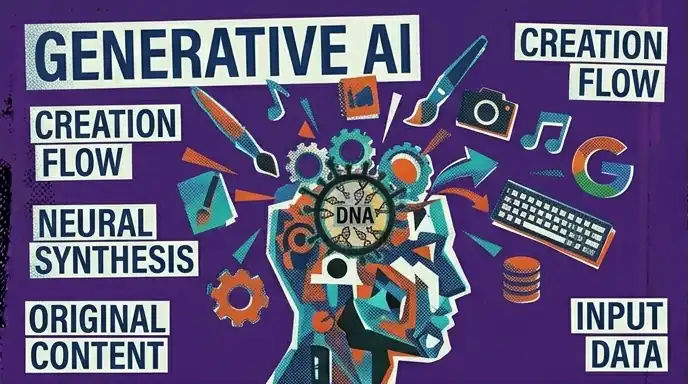
[The Shift in Hiring]:
Generative AI is fundamentally altering the operational model of India's IT services sector, moving away from traditional mass-hiring practices toward specialized, AI-driven workforce planning. Major players like Tata Consultancy Services and Infosys have notably slowed fresher recruitment, prioritizing the reskilling of existing employees in high-demand areas such as cloud computing, cybersecurity, and AI integration. This strategic pivot reflects a broader industry trend toward efficiency and automation.
[Global Trends and Impact]:
Data from the World Bank's World Development Report 2026 highlights that online job postings across South Asia declined by 1.6% following the release of ChatGPT. This trend is particularly visible among multinational corporations that are integrating autonomous systems into their workflows. For instance, global giant Visa recently eliminated approximately 2,600 roles worldwide, including positions in Indian tech hubs, as part of a broader transition toward AI-led operational frameworks.
[Adapting to New Realities]:
While 40% of Indian enterprises report significant AI usage—surpassing the global average of 28%—the transition necessitates a rapid adaptation in talent development strategies. Indian IT firms are now focusing on high-value roles that require human-AI collaboration rather than manual coding tasks. This restructuring is expected to continue throughout the remainder of 2026 as companies balance the productivity gains of AI with the need to maintain a skilled and relevant workforce for the future.
Pulse Intelligence
Context & ImpactContext & Background
- The Indian IT sector has historically relied on large-scale fresher hiring to meet global service demands.
- The release of generative AI tools has led to a global re-evaluation of labor requirements in tech-heavy industries.
- Indian enterprises have shown a higher adoption rate of AI technologies compared to the global average.
Key Consequences
- IT services companies will likely continue to reduce entry-level hiring in favor of experienced, AI-proficient talent.
- The demand for reskilling programs will surge as firms attempt to retain existing staff amidst automation.
- Indian tech hubs may experience temporary volatility in job market growth as firms finalize their AI integration strategies.
Market & Economic Impact
The shift toward AI-driven efficiency may improve operating margins for IT majors, though it creates short-term uncertainty regarding human capital investment.
The Indus Pulse is committed to accuracy and transparency.