
Gaming Desk July 18, 2026 at 03:08 PM 2 min readgaminganalysis
Gaming in 2026 Resurrects Nostalgia of 2013 Console Era
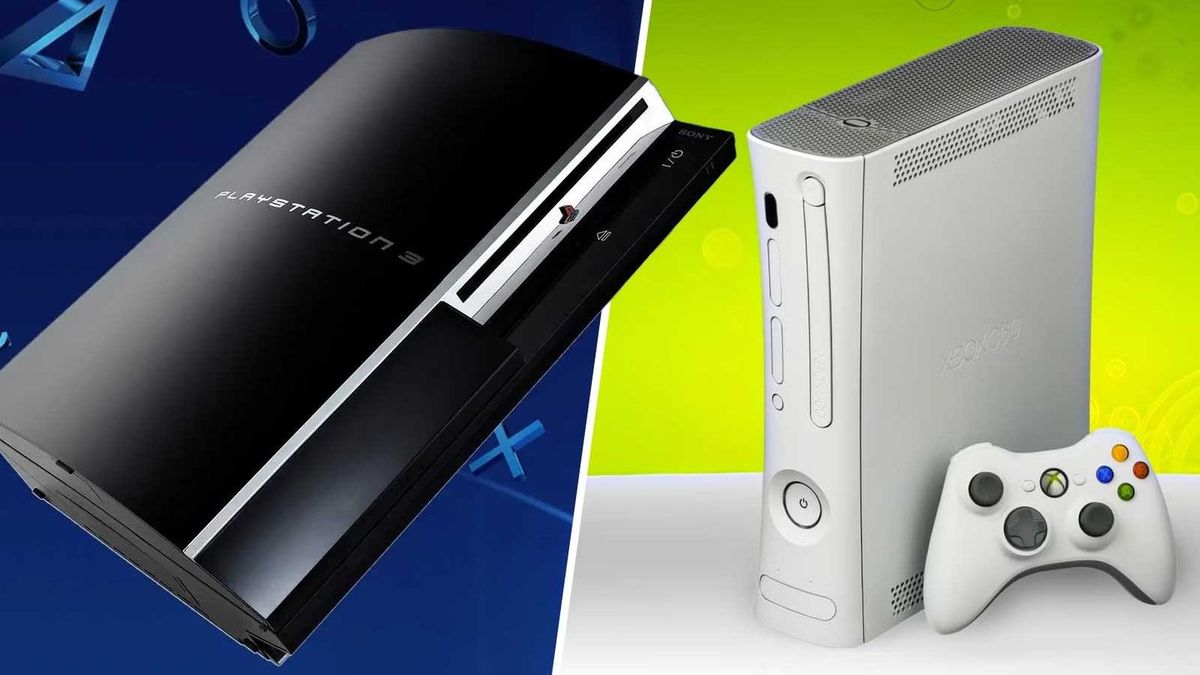
Evolution of Modern Gaming:
The current gaming landscape of 2026 is increasingly characterized by a resurgence of trends reminiscent of the 2013 era, marked by the prominence of the Xbox 360 and PlayStation 3. Observers note that industry shifts toward legacy-style engagement and classic gameplay loops are influencing contemporary titles, bridging the gap between historical player expectations and modern graphical fidelity.
Drivers of Nostalgia:
This shift stems from both a generational shift in developer demographics and a market-wide reliance on established intellectual property. As players seek comfort in familiar mechanics, developers are integrating design philosophies that defined the early 2010s, emphasizing narrative-driven experiences and linear gameplay progressions over the sprawling live-service models that dominated the mid-2020s.
Future Industry Outlook:
The trend suggests that long-term industry growth may rely on blending retro-inspired design with cutting-edge hardware capabilities. As developers continue to iterate on these foundations, the impact on the gaming market remains significant, likely compelling publishers to balance innovation with deep-rooted consumer preferences for the golden era of console design.
Pulse Intelligence
Context & ImpactContext & Background
- The 2013 period was a transformative year in gaming, witnessing the transition between the seventh and eighth generations of consoles.
- Recent market analysis indicates a saturation in live-service titles, leading players to crave more structured and focused gaming experiences.
Key Consequences
- Increased focus on remasters, reboots, and sequels inspired by legacy game design.
- Potential shift in budget allocation for developers toward narrative-heavy, single-player titles.
Market & Economic Impact
No direct market impact.