
August 14, 2026 at 12:13 PM 2 min readhealthanalysis
Gallbladder Removal Risks: Diarrhea Triggers Post-Surgery Care
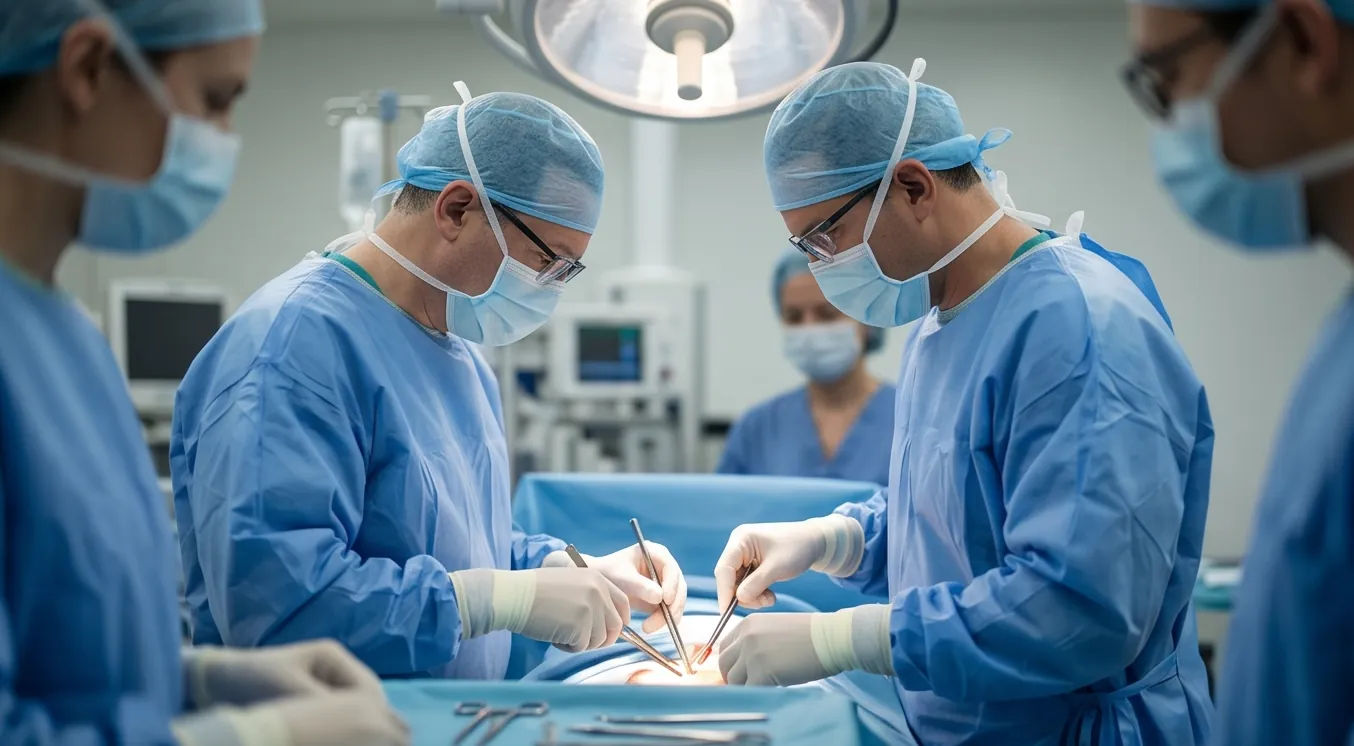
Post-Cholecystectomy Syndrome Risks:
Patients who undergo gallbladder removal surgery frequently experience unexpected gastrointestinal complications such as urgent bathroom trips and chronic diarrhea. This phenomenon occurs because the gallbladder is no longer present to store and concentrate bile, leading to continuous bile flow directly into the small intestine.
Bile Acid Malabsorption Factors:
The continuous drainage of bile acids overwhelms the absorptive capacity of the terminal ileum, causing unabsorbed acids to irritate the colon. Gastroenterologists explain that this physiological shift disrupts normal bowel motility and water absorption, resulting in rapid transit times and loose stools shortly after eating fatty meals.
Dietary and Medical Management:
Managing post-operative digestive issues involves specific dietary modifications, including smaller meals, reduced fat intake, and increased soluble fiber consumption. Physicians may also prescribe bile acid sequestrants like cholestyramine to bind excess bile in the gut and restore normal bowel habits for affected patients.
Pulse Intelligence
Context & ImpactContext & Background
- Cholecystectomy is among the most common elective surgical procedures performed globally for symptomatic gallstones.
- The gallbladder's primary physiological role is to store bile produced by the liver and release it during digestion.
Key Consequences
- Patients may experience persistent digestive discomfort and lifestyle disruptions requiring long-term dietary management.
- Physicians will increasingly prescribe targeted medications to control chronic bile acid malabsorption symptoms.
Market & Economic Impact
No direct market impact.
The Indus Pulse is committed to accuracy and transparency.