
August 11, 2026 at 06:20 PM 2 min readindiabreaking
Food Safety Authorities Crack Down on Zepto and Blinkit Over Violations
Quick-Commerce Regulatory Crackdown:
Food safety authorities in Karnataka and Maharashtra have initiated a massive crackdown on quick-commerce platforms following reports of severe hygiene lapses. A Zepto warehouse located in Bengaluru Rural was sealed by the Karnataka Food Safety Department after inspectors discovered unhygienic conditions, including opened food packets and unsealed bottles stored in proximity to fresh produce. Simultaneously, the license for a Blinkit outlet in Malad, Mumbai, has been suspended after a similar inspection revealed violations of the Food Safety and Standards Act. These actions signal an intensifying regulatory environment for the fast-growing hyper-local delivery sector, which has faced increasing scrutiny over the storage and handling of perishable items.
Hygiene Violations and Public Safety:
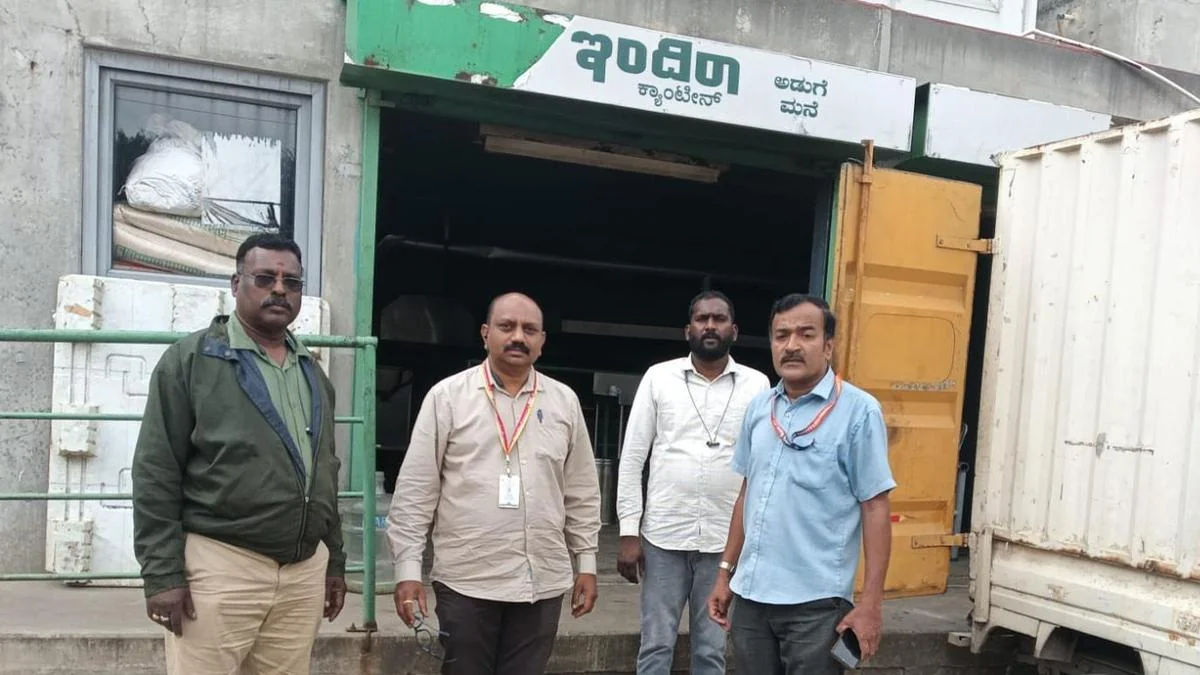
The raids were prompted by multiple consumer complaints and internal reports regarding the quality of goods delivered by these platforms. In Bengaluru, inspectors found that the Zepto facility failed to maintain the basic cleanliness standards required for food storage units. The presence of decaying organic matter and improper temperature controls for temperature-sensitive products were cited as primary reasons for the immediate sealing of the warehouse. In Mumbai, the suspension of the Blinkit outlet's license followed a reality check that exposed extremely unhygienic kitchen and storage conditions. Furthermore, inspections extended to local Indira Canteens and dhabas, where similar violations were identified, suggesting a broader systemic issue within the regional food supply chain.
Industry Response and Future Oversight:
This enforcement drive is expected to lead to stricter compliance protocols across the quick-commerce industry. The Karnataka government has directed all hotels, dhabas, and delivery warehouses to tighten their food safety and hygiene standards immediately to avoid similar punitive measures. For the Indian consumer, this crackdown underscores the risks associated with rapid delivery models that may prioritize speed over safety protocols. Moving forward, the Food Safety and Standards Authority of India is likely to introduce more stringent periodic auditing for dark stores to ensure that the infrastructure keeps pace with the volume of orders. Industry leaders are now under pressure to overhaul their quality control mechanisms to regain consumer trust.
Pulse Intelligence
Context & ImpactContext & Background
- The quick-commerce sector in India has seen exponential growth over the last two years, leading to a proliferation of small dark stores in residential areas.
- Regulatory bodies had previously warned platforms about maintaining cold chain integrity and hygiene in these decentralized storage units.
Key Consequences
- Quick-commerce platforms will likely face increased operational costs due to the need for higher hygiene compliance and better infrastructure.
- The Food Safety and Standards Authority of India may mandate real-time monitoring of temperature and hygiene in all quick-commerce warehouses nationwide.
Market & Economic Impact
This regulatory action may cause a temporary slowdown in the expansion of dark stores for Zepto and Zomato-owned Blinkit as they focus on compliance.
The Indus Pulse is committed to accuracy and transparency.