
August 12, 2026 at 06:25 PM 2 min readindiadeveloping
Government Refers Controversial FCRA Amendment Bill To Joint Parliamentary Committee
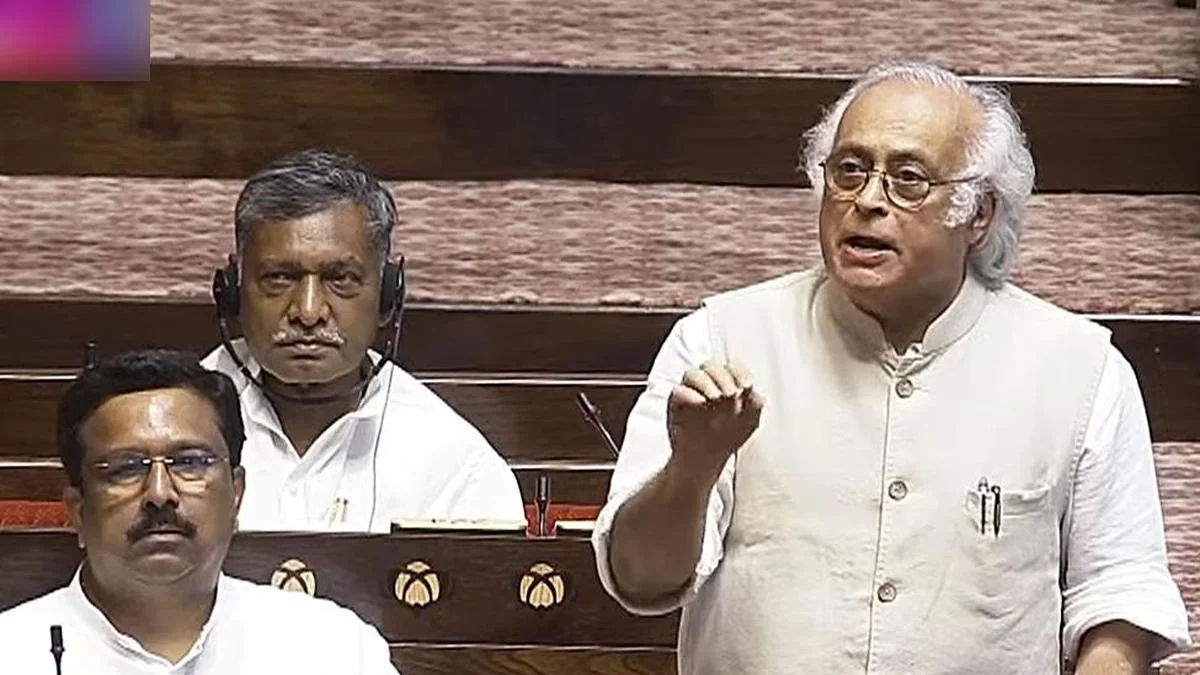
Legislative Pause for FCRA Bill:
The Union Government has officially moved to refer the Foreign Contribution Regulation Amendment (FCRA) Bill, 2026, to a Joint Parliamentary Committee (JPC) for in-depth scrutiny. This decision follows significant pushback from opposition parties, state governments like Tamil Nadu, and regional leaders such as Nagaland Chief Minister Neiphiu Rio. The government's strategic pivot provides a cooling-off period, allowing for a broader consensus before the legislation proceeds further. The JPC will now review all provisions, including the proposed designated authority for managing surrendered assets, and will hear testimony from diverse stakeholders, including NGOs and minority groups concerned about administrative overreach.
Justification and International Context:
The legislative tension stems from claims that the 2026 amendments could grant the state excessive control over the functioning and assets of religious and charitable institutions. Ambassador to the US, Vinay Mohan Kwatra, has defended the bill, likening it to transparency frameworks in Australia, the UK, and the US. Kwatra noted that only a fraction of India’s three million NGOs are registered under the FCRA. He emphasized the bill’s goal of national security, clarifying that the designated authority is meant to safeguard assets during registration cancellations rather than seize them permanently. This diplomatic outreach aims to address concerns raised by international lawmakers regarding the protection of civil society organizations.
Ongoing Parliamentary Disruption:
Parallel to the FCRA debate, the Monsoon Session remains strained by frequent opposition protests. On the 18th day, the government is slated to table the Justice Yashwant Varma inquiry report in the Lok Sabha, which examines a controversial cash-at-residence scandal. While the Rajya Sabha managed to pass the Tribunals Reforms Bill, 2026, the Lower House faces continued gridlock. The JPC's formation and the release of the Justice Varma report remain critical milestones, as they will shape public perception of judicial accountability and the future landscape for foreign-funded social sector work in India.
Pulse Intelligence
Context & ImpactContext & Background
- The FCRA was first enacted in 1976, with major overhauls occurring in 2010 and 2020, the latter of which required NGOs to open specific State Bank of India accounts.
- The current Monsoon Session of Parliament has been marked by repeated disruptions and legislative deadlock, prompting the government to adopt a more conciliatory approach via the JPC.
- India's regulatory framework for foreign funding has increasingly focused on national security, leading to recent tensions with various minority-led educational and healthcare institutions.
Key Consequences
- The referral to a JPC effectively delays the final passage of the FCRA Bill until the winter session of Parliament, providing NGOs temporary relief.
- The government may introduce specific safeguards or exemptions for minority-led institutions to address concerns about religious freedom and administrative overreach.
- Public scrutiny of the Justice Yashwant Varma report is expected to intensify, potentially influencing broader legislative debates on judicial conduct.
Market & Economic Impact
No direct market impact, though improved regulatory clarity may benefit international non-profit investments in India's social sector.
The Indus Pulse is committed to accuracy and transparency.