
Health Desk July 17, 2026 at 03:07 PM 2 min readhealthanalysis
Experts Highlight Rising Sleep Apnoea Diagnosis Gap in India
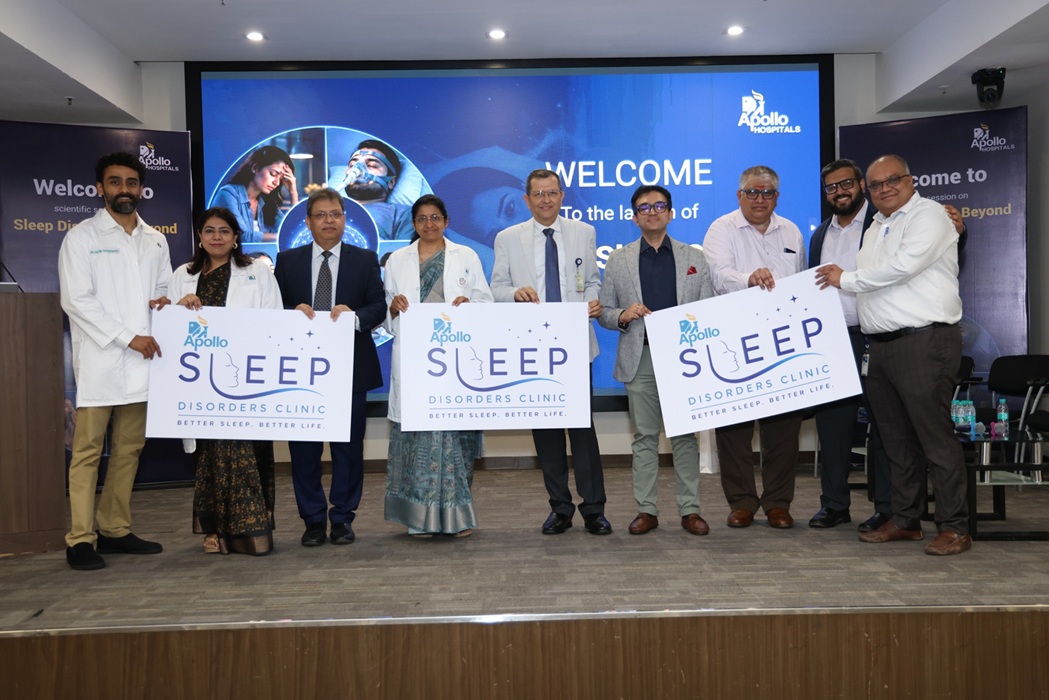
Silent Health Crisis:
Medical experts at Apollo Hospitals have issued a warning regarding the alarmingly high undiagnosed rate of sleep apnoea in India, estimating that 80–90% of cases remain undetected. This condition, characterized by repetitive breathing pauses during sleep, poses significant long-term health risks if left unmanaged. Despite its prevalence, public awareness remains low, often resulting in patients seeking medical advice only after the condition has advanced to a severe stage.
Societal Barriers:
The health crisis is compounded by what experts identify as the culture of 'sleep shaming,' where adequate rest is often undervalued or stigmatized in high-pressure professional environments. The tendency to equate long working hours with productivity leads to a systemic neglect of sleep hygiene, which is one of India's most critical health mistakes. The lack of proactive screening in routine health check-ups further exacerbates the inability to identify symptoms in the early stages.
Health Implications:
Obstructive sleep apnoea is frequently linked to cardiovascular diseases, hypertension, and excessive daytime fatigue, which impact both personal well-being and professional performance. Experts emphasize the necessity of integrating sleep assessments into standard clinical protocols to catch these risks early. Raising awareness and normalizing the discussion of sleep health will be essential to reversing the current trends and improving overall population health outcomes in India, where sleep deprivation is increasingly recognized as a major public health concern.
Pulse Intelligence
Context & ImpactContext & Background
- Sleep disorders are becoming increasingly common in urban India due to changing lifestyles and high stress levels.
- The medical community has been calling for better public awareness regarding the long-term health risks associated with chronic sleep deprivation.
Key Consequences
- Increased public health campaigns are expected to encourage more Indians to seek professional medical evaluations for sleep issues.
- Healthcare providers may begin incorporating standardized sleep screening questions into annual preventive health check-ups.
Market & Economic Impact
No direct market impact.