
July 26, 2026 at 10:17 AM 2 min readauto
Exicom Inaugurates India's Largest EV Charger Plant In Hyderabad
The new facility can produce over 100,000 AC chargers annually, supporting India's expanding EV ecosystem.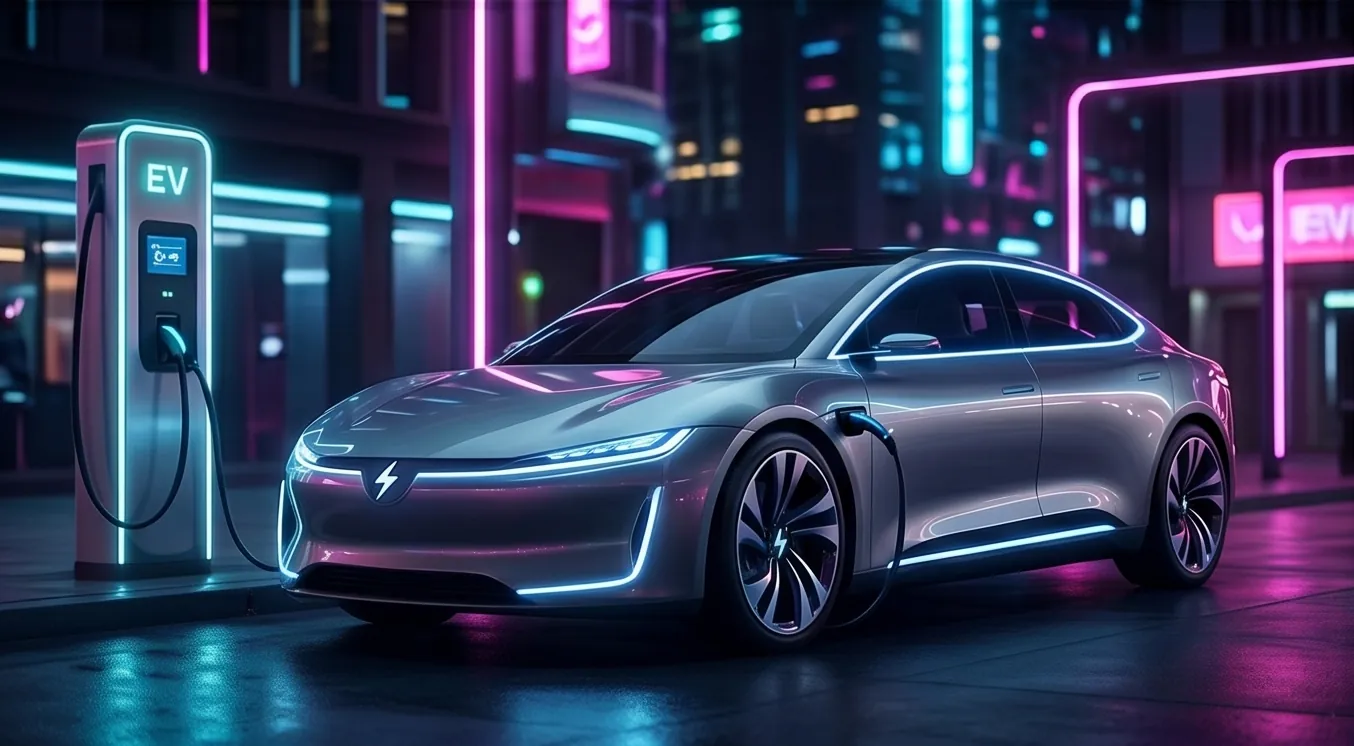
[Infrastructure Milestone]:
India's electric vehicle charging landscape reached a significant milestone on July 26, 2026, with Exicom inaugurating the country's largest EV charger and battery-integrated plant in Hyderabad. Built with an investment of ₹216 crore, the facility boasts an annual production capacity of over 100,000 AC chargers, with the potential to scale up to 200,000 units, alongside a capacity for more than 4,000 DC chargers. This development is a major step toward addressing the critical need for robust charging infrastructure to support the growing EV market.
[Market Growth]:
The broader EV ecosystem is showing signs of maturity, with Tata Power reporting a revenue increase to ₹192 crore in FY26. The company has set ambitious long-term goals, aiming to install over 750,000 home chargers and 10,000 public charging points by 2030. These efforts are supported by a 24.6% increase in EV sales during FY26, reaching 24.5 lakh units, with electric passenger vehicle adoption crossing the 4.6% threshold for the first time.
[Policy Challenges]:
Despite these gains, the transition to domestic battery manufacturing remains a hurdle. While the government's ₹18,100 crore 'Advanced Chemistry Cell (ACC) PLI' scheme is designed to reduce reliance on foreign imports, progress has been slow, with only 1.4 GWh of the 50 GWh target initiated. Industry experts emphasize that achieving true financial viability requires a comprehensive domestic ecosystem, including mineral refining and cathode production, to sustainably lower the high costs associated with EV batteries.
Pulse Intelligence
Context & ImpactContext & Background
- Exicom's new Hyderabad plant represents a ₹216 crore investment in EV charging infrastructure.
- India recorded 24.5 lakh EV sales in FY26, marking a 24.6% year-on-year increase.
- The government's ACC PLI scheme aims to localize battery production to reduce import dependency.
Key Consequences
- Increased production capacity for chargers will likely lead to faster deployment of public charging networks.
- Tata Power's aggressive installation targets will improve consumer confidence in EV ownership.
- Slow progress in the ACC PLI scheme may keep EV prices elevated in the near term.
Market & Economic Impact
Not applicable.
The Indus Pulse is committed to accuracy and transparency.