
August 8, 2026 at 01:50 AM 2 min readtechevergreen
The Evolution and History of the Computer Shift Key
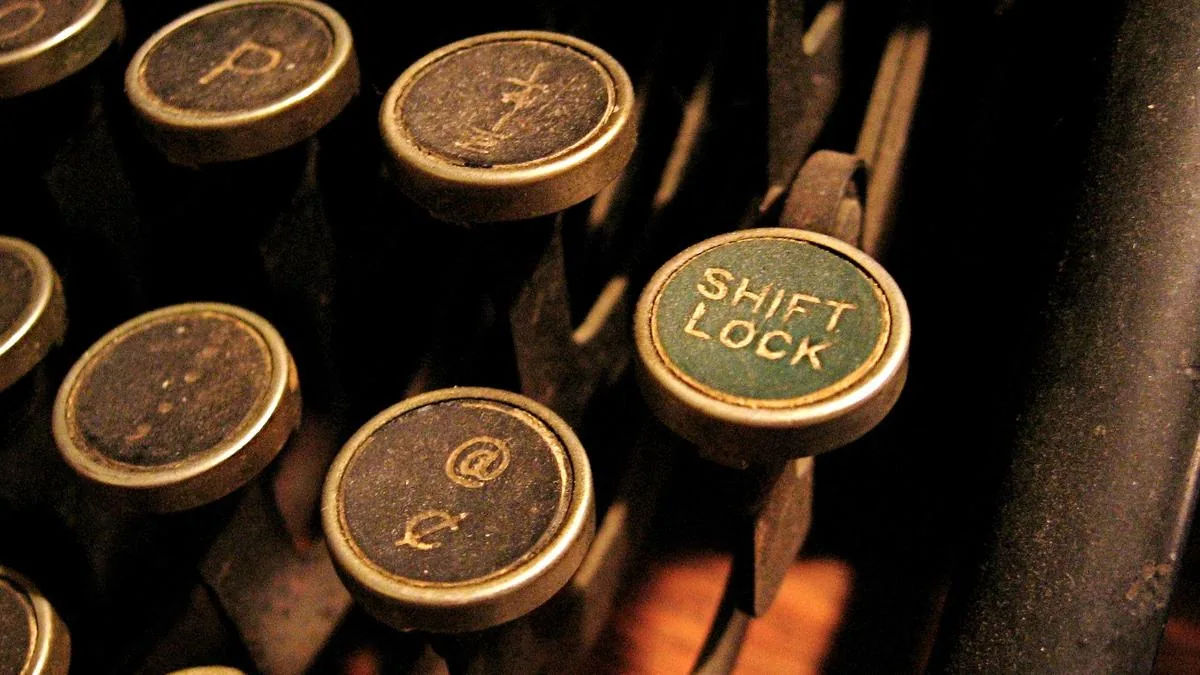
Origins of the Shift Key:
The shift key originated from mechanical typewriters where physical mechanisms required shifting the entire typing carriage to access upper-case letters and secondary symbols. As technology transitioned from manual typewriters to electronic keyboards and digital interfaces, the physical mechanism was replaced by electronic signaling. This historical adaptation allowed manufacturers to maintain standard keyboard ergonomics while incorporating expanded character sets.
Technological Adaptation:
Modern keyboards retain the shift key designation despite the complete digitization of text input and computer processing. The key serves a dual purpose across operating systems, facilitating both capitalization and shortcut combinations for software commands. Hardware designers continue to preserve this foundational interface element to maintain user muscle memory across generations of computing devices.
Industry Significance:
Understanding standard keyboard history highlights the enduring influence of mechanical design on digital user interfaces. While touchscreens and voice recognition alter modern computing interactions, physical keyboards remain essential for productivity. The shift key stands as a prime example of legacy design successfully integrating into advanced digital workflows.
Pulse Intelligence
Context & ImpactContext & Background
- Early mechanical typewriters utilized physical levers to print characters onto paper.
- Typewriter manufacturers introduced the shift key in the late nineteenth century to double the utility of typing keys.
Key Consequences
- Standard keyboard layouts maintain consistent usability across global computing platforms.
- Educational institutions continue to teach touch-typing methods utilizing traditional modifier keys.
Market & Economic Impact
No direct market impact.
The Indus Pulse is committed to accuracy and transparency.