
August 17, 2026 at 01:43 PM 2 min readworldbreaking
Erbil Drone Attack Targets Kurdish PM Masrour Barzani Office
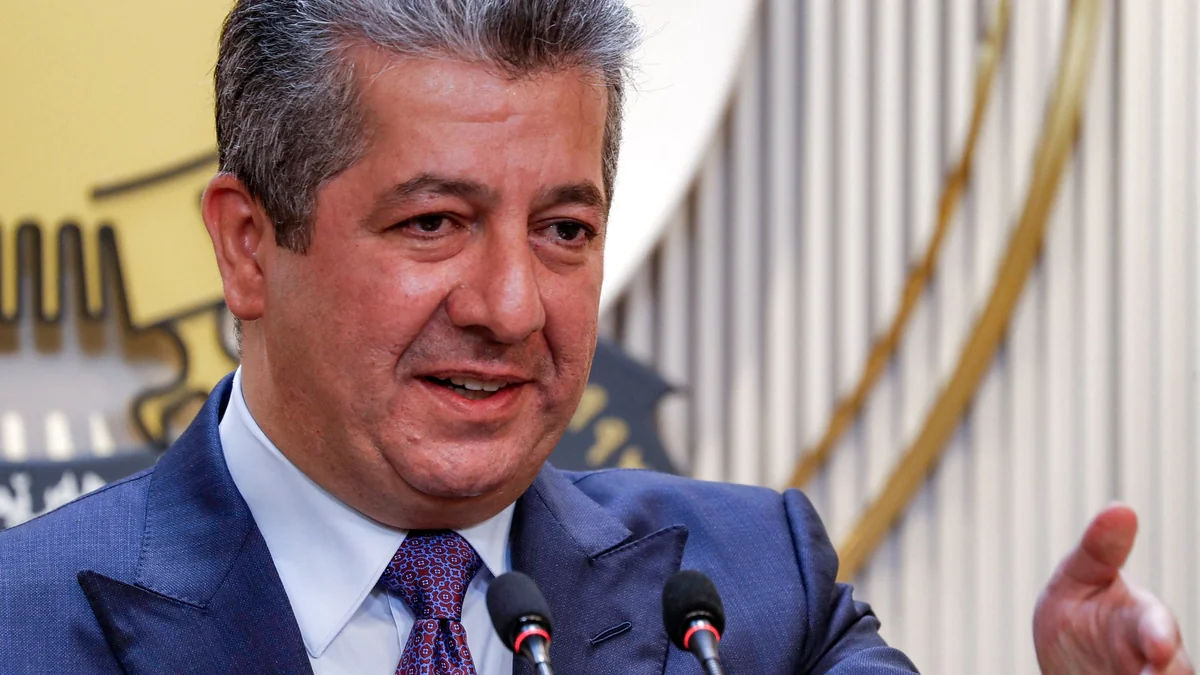
Erbil Drone Strike Incident:
A hostile drone has targeted the office of Iraqi Kurdistan Prime Minister Masrour Barzani in Erbil, marking a significant security breach in the semi-autonomous region. Authorities confirmed the aerial attack occurred earlier today, triggering immediate heightened security protocols across the government district. While no casualties were immediately reported, the precision of the strike against such a high-profile target has prompted a swift mobilization of regional security forces to secure the surrounding area and investigate the source of the drone.
Regional Security Background:
The Erbil region has previously faced intermittent security challenges, often tied to shifting geopolitical tensions across Iraq and neighboring borders. These aerial incursions are typically characterized by the use of small, low-altitude unmanned aerial vehicles designed to evade conventional radar defenses. The Kurdistan Regional Government has historically faced threats from various armed factions seeking to destabilize the semi-autonomous administration, leading to persistent friction between local Kurdish authorities and external militant elements operating within the broader Middle Eastern theater.
Security and Regional Implications:
This attack carries profound implications for internal stability in Iraq and potential broader regional repercussions. India maintains deep diplomatic and economic ties with the Middle East, and any escalation in violence could impact the safety of the significant Indian expatriate workforce residing in the region. Security analysts are now closely monitoring whether this incident represents an isolated provocation or a precursor to further hostilities. The regional administration is expected to release a formal assessment as the investigation into the origin and operators of the drone proceeds over the coming hours.
Pulse Intelligence
Context & ImpactContext & Background
- The Kurdistan region of Iraq operates as a semi-autonomous entity, frequently navigating complex security relationships with the federal Iraqi government and regional neighbors.
- Erbil has experienced previous instances of drone and missile fire directed at government or international facilities, often linked to non-state actors or cross-border regional power struggles.
Key Consequences
- Security forces are likely to implement tighter air surveillance measures and checkpoints across the Erbil government district to prevent further incursions.
- Heightened diplomatic tensions may arise as regional stakeholders assess the implications of a targeted attack against a high-level head of government.
- Increased regional scrutiny on counter-drone defensive technologies will likely follow as authorities look to harden key political infrastructure.
Market & Economic Impact
No direct market impact.
The Indus Pulse is committed to accuracy and transparency.