
19 Aug 2026, 07:30 AM 2 min readtechbreaking
Epsilon Carbon Secures Government Approval for Lithium-Ion Project
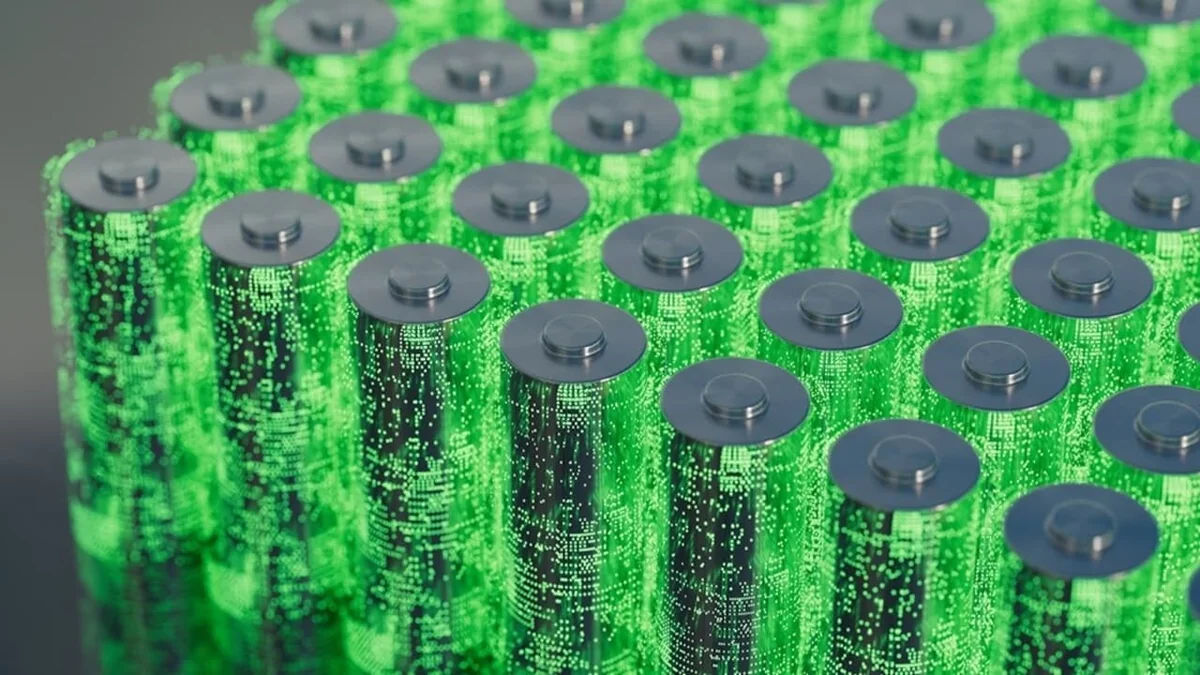
Lithium-Ion Anode Project Approval:
The Indian government has granted official approval to Epsilon, enabling the company to advance its critical infrastructure plans within the electric vehicle supply chain. The project focuses on the domestic manufacturing of high-quality lithium-ion battery anodes, a key component required to reduce reliance on imported battery materials. The facility is set to be a significant addition to the country's growing green energy manufacturing ecosystem.
Capacity Expansion Timeline:
This approval aligns with the company's long-term manufacturing roadmap, which includes commissioning a total anode production capacity of 30,000 tonnes by 2028. By establishing localized production capabilities, Epsilon aims to capitalize on the increasing demand for sustainable mobility solutions across India and international markets. The strategic move follows recent policy incentives aimed at boosting the domestic production of battery cell components and essential raw materials.
Strategic Importance for India:
The development strengthens India's position in the global battery value chain by fostering localized industrial capacity. As the nation intensifies its transition to electric transport, local anode production serves as a critical hedge against global supply chain volatility and logistical costs. The successful implementation of this 30,000-tonne facility will likely serve as a benchmark for future scale-ups in the domestic battery manufacturing sector.
Pulse Intelligence
Context & ImpactContext & Background
- India has actively promoted the domestic manufacturing of EV components through various production-linked incentive schemes.
- The demand for lithium-ion battery anodes has surged alongside the rapid expansion of the domestic electric vehicle market.
Key Consequences
- Domestic production capacity for battery anodes will increase significantly by 2028.
- The reliance on imported battery materials is expected to decrease as domestic manufacturing facilities become operational.
Market & Economic Impact
The project approval positions the company favorably within the competitive EV supply chain, potentially influencing future investment sentiment in the green energy sector.
The Indus Pulse is committed to accuracy and transparency.