
July 28, 2026 at 10:17 AM 2 min readautoNews Insights
Energy In Motion and HPCL Partner for Heavy Vehicle EV Charging
The partnership will deploy swap-and-charge hubs along major freight corridors over the next 24 months.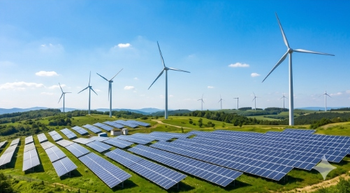
[Infrastructure Expansion]:
Energy In Motion Limited (EIM) has entered into a strategic partnership with Hindustan Petroleum Corporation Limited (HPCL) to deploy fast-charging and battery-swapping infrastructure for heavy commercial vehicles. This initiative focuses on critical freight corridors, including the Delhi-Jaipur, Mumbai-Pune, and Chennai-Bengaluru routes, aiming to facilitate the transition of heavy logistics to electric power over the next 18 to 24 months.
[Operational Integration]:
The project leverages HPCL's extensive retail network, which will provide the necessary space and utilities for these swap-and-charge hubs. EIM will integrate its proprietary technology platform to manage real-time availability, digital payments, and remote monitoring, ensuring a seamless experience for fleet operators. This collaboration is designed to address the specific charging requirements of heavy-duty electric vehicles, which differ significantly from passenger car needs.
[Market Outlook]:
This partnership arrives as India faces a projected surge in battery demand, expected to grow from 33 GWh in 2025 to 236 GWh by 2032. The initiative is part of a broader effort to modernize India's logistics and energy storage sectors. Additionally, research from entities like Maxvolt ReEarth is already proposing circular economy frameworks, such as the '6R' model, to manage the lifecycle of the increasing volume of EV batteries, including plans for large-scale recycling facilities in Uttar Pradesh.
Pulse Intelligence
Context & ImpactContext & Background
- India's battery demand is projected to reach 236 GWh by 2032, driven by EV adoption.
- Heavy commercial vehicles are a key target for decarbonization in India's logistics sector.
- HPCL has been actively transforming its retail outlets into multi-fuel and energy hubs.
Key Consequences
- Improved viability for electric heavy commercial vehicles on major Indian freight corridors.
- Increased utilization of HPCL retail outlets as integrated energy hubs for logistics fleets.
- Accelerated development of a circular battery ecosystem to handle future waste management.
Market & Economic Impact
Not applicable.
The Indus Pulse is committed to accuracy and transparency.