
July 30, 2026 at 04:51 AM 2 min readaideveloping
E20 Fuel Compatibility: BS-III Vehicles May Require Rubber Part Changes
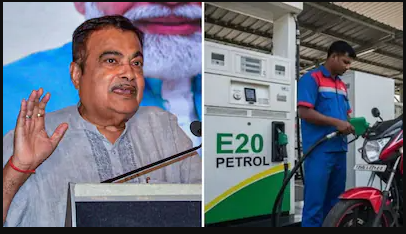
Parliamentary Disclosure on E20 Fuel:
Union Minister Nitin Gadkari informed Parliament that older BS-III vehicles manufactured before 2016 may require replacing rubber parts and gaskets to run safely on E20 ethanol-blended petrol. The government is pushing for higher biofuel adoption to reduce crude oil import dependence across the nation.
Ethanol Blending Roadmap:
India has aggressively accelerated its ethanol blending targets, aiming for a 20 percent blend rate in petrol across retail outlets. Older legacy engines designed for unblended or lower-blend fuels experience accelerated wear and tear on rubber fuel lines due to ethanol's corrosive properties.
Implications for Vehicle Owners:
Vehicle owners driving older models face potential maintenance modifications to prevent fuel system degradation and leaks. Automotive workshops anticipate a surge in demand for ethanol-resistant replacement parts as fuel distribution expands nationwide.
Pulse Intelligence
Context & ImpactContext & Background
- India has aggressively advanced its national ethanol blending timeline to cut down massive foreign exchange outflows on crude oil imports.
- Vehicle manufacturers transitioned from BS-III to stricter BS-IV emission norms in April 2017, leaving millions of older legacy vehicles on Indian roads.
Key Consequences
- Millions of legacy vehicle owners will need to replace vulnerable rubber fuel lines and gaskets to prevent premature engine damage.
- Auto component manufacturers will see increased demand for specialized ethanol-resistant rubber parts.
Market & Economic Impact
Auto component manufacturers may experience higher demand for specialized ethanol-resistant spare parts.
The Indus Pulse is committed to accuracy and transparency.